SearchJoin Our CommunityCommunity
  • Donate Now
  • Donate

    Your central hub for information, support tools, and practical advice.

    We have a wealth of knowledge to share with you about living with a spinal cord injury (SCI), and have pulled this together in this section to help you access the information you need, when you need it.

    Discover our resources

    Categories
    + Show More
    List View

    Chronic Complications of Spinal Cord Injury

    Spinal cord injury (SCI) is a serious medical condition that causes functional, psychological and socioeconomic disorder.
    Read More
    Peer Support Education Series: Pressure Injury Protection and Prevention

    This presentation will cover pressure injuries and pressure care, as well as, causes, preventative measures, appropriate assistive technology and more.
    Read More
    Peer Support Education Series: Bladder and Bowel Care with Coloplast

    This online education session is in collaboration with Coloplast to give you the skills and confidence to manage common continence...
    Read More
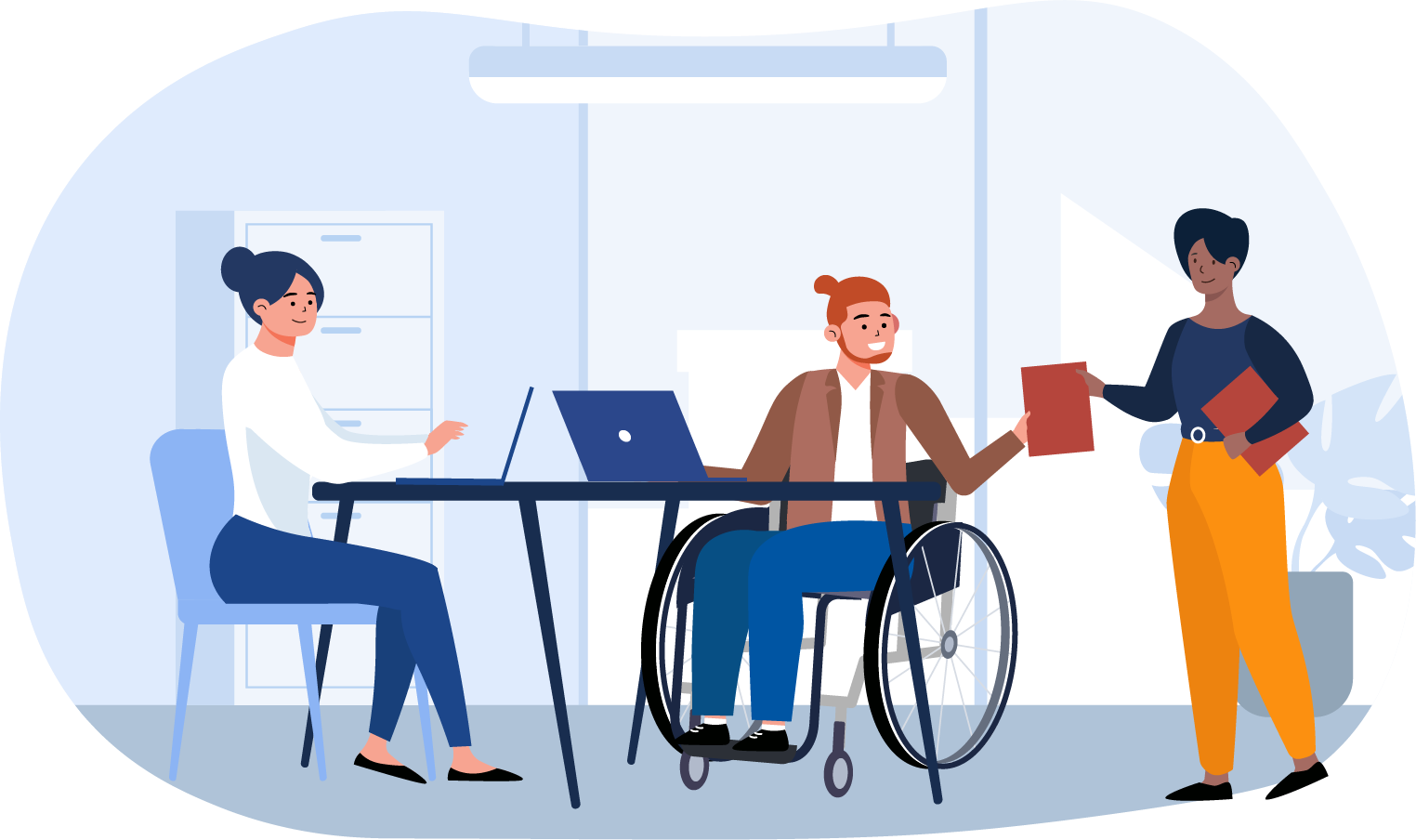
    Employment, Disability and Changing a Culture of Discrimination

    Susan talks to Phat Ngo and Dominika Jachym about disability and employment.
    Read More
    Peer Support Education Series: Sexuality, Intimacy and SCI

    Our ACT Community Peer Support team will be running the next education session on sexuality and intimacy post-SCI.
    Read More
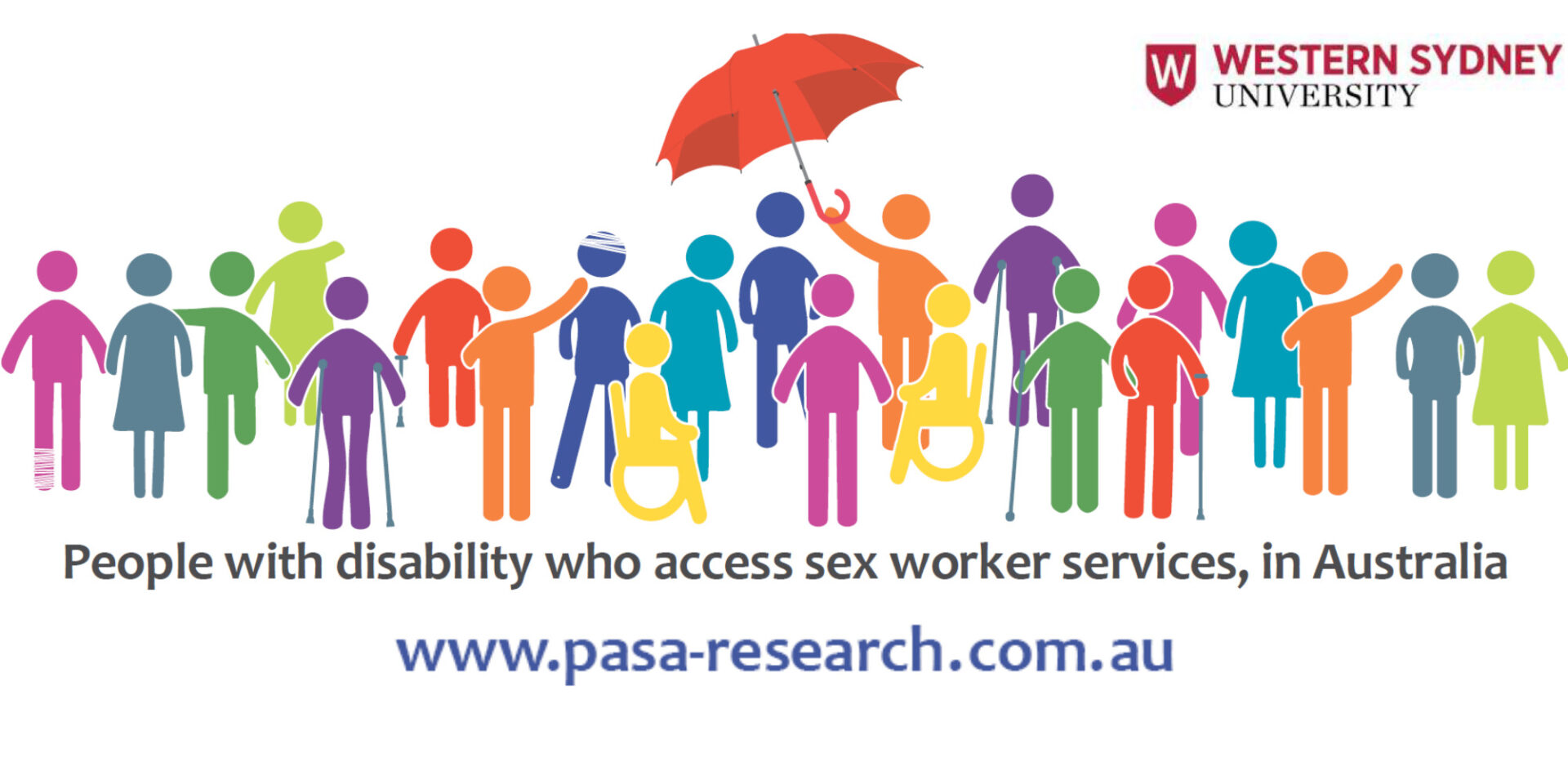
    PASA Research

    Rachel Wotton is a Sex Worker and PhD Candidate for Western Sydney University. She is seeking people with disabilities to...
    Read More
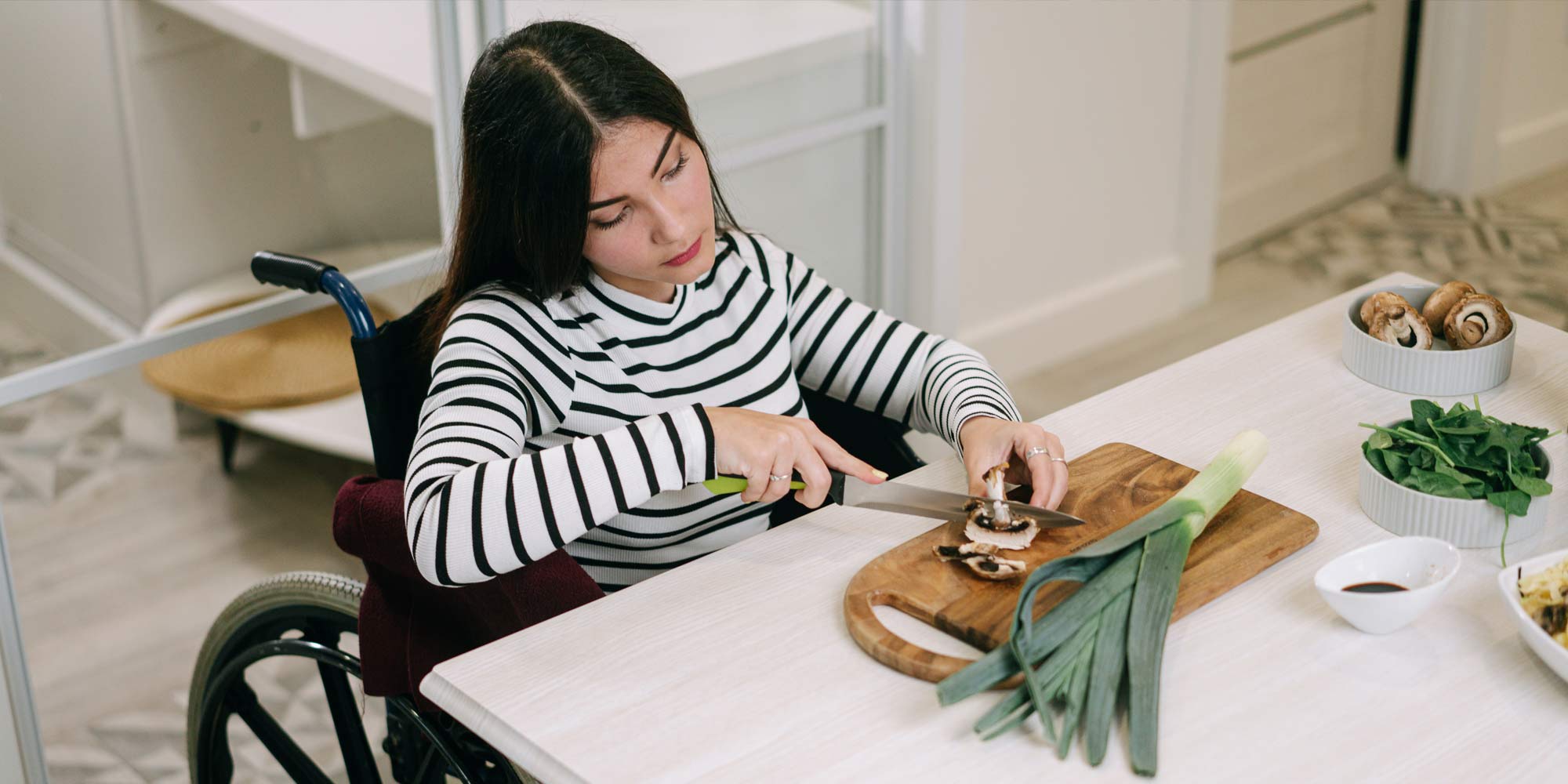
    A personalized and healthy nutrition strategy will help people with spinal cord injuries stay within a healthy weight range. Meanwhile, it promotes our emotional wellness.

    Nutrition for People with Spinal Cord Injuries

    In general, we may experience weight changes after a spinal cord injury. Initially, we will lose some weight, about 4-9 kg for both men and women. After 3-4 weeks of losing weight, we may start to gain weight. However, weight gain undoubtedly can cause being overweight or obese, which brings us more health problems. And it’s not very easy to maintain a healthy weight after a spinal cord injury. Of course, it’s achievable, which helps you promote your overall physical and mental health.

    For this purpose, the NSW Agency for Clinical Innovation State Spinal Cord Injury Network released a guide that helps us maintain within a healthy weight range. It presents multiple strategies for a healthy diet and recommends many nutritious foods that are very useful to meet your health needs.

    For example, it recommends that each day your diet should include two servings of fruits and 5–7 servings of vegetables. Your diet should include 3–6 servings of grain (cereal) foods, and you need to drink enough water every day. Grain foods are also important. Based on your age and other health needs, your diet should include 3–6 servings of grain (cereal) foods.

    You can access the nutrition guide to customize your own nutrition plan. Whereas, if you don’t want to spend lots of time making a healthy nutrition plan, we would like to include a dietician as part of your plan of National Disability Insurance Scheme (NDIS). We can assist you in achieving the goals in this area through advice and support under support category 7 (Coordination of supports).

    Search SCIA: