Opens in a new tab
SearchJoin Our CommunityCommunity
  • Donate Now
  • Donate

    One in Five: Episode Five with Elizabeth Abrahams

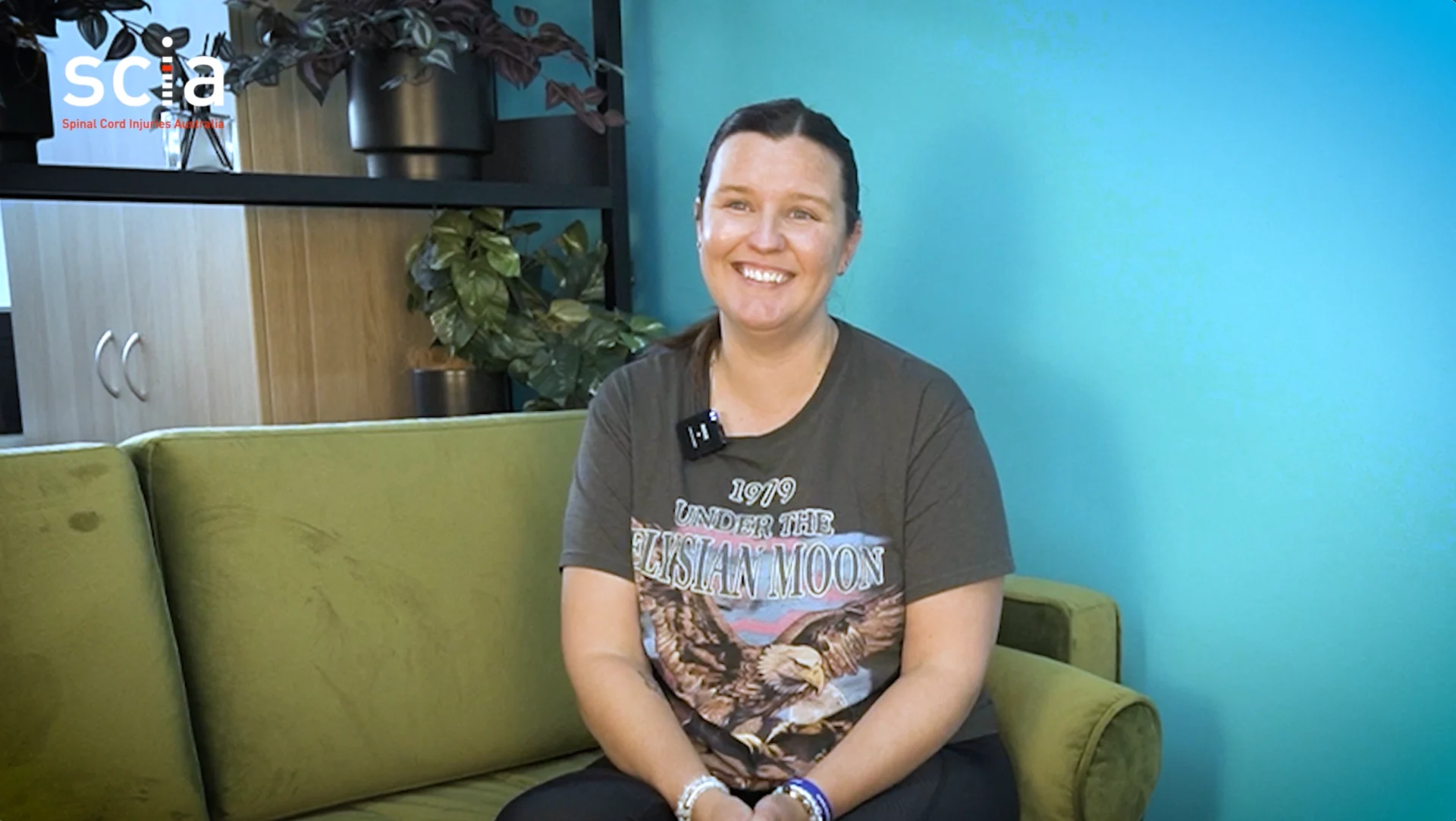
    Elizabeth is smiling and seated on a green lounge against a teal wall.

    For Elizabeth, family and staying active have always been a big part of life. Living in Perth with her three children, she was diagnosed with Motor neurone disease (MND) after noticing changes to her strength and mobility while playing soccer. Since then, she has adapted many of the activities she loves, finding new ways to stay connected to her family and maintain her independence.

    In this episode of One in Five, produced in collaboration with Spinal Cord Injuries Australia and NeuroMoves, Elizabeth shares her experience of living with MND, the challenges of adjusting to changing abilities, and how exercise and NeuroMoves have helped her maintain strength, balance and confidence in everyday life.

    Thank you to Elizabeth for sharing her story so openly.

    Transcript

    I’m stronger than I thought I was. Honestly, if you had asked me on into my diagnosis, if I was going to get through this, I would have said no, but I definitely. Well, I am getting through it every day.

    Hi, I’m Elizabeth, I’m 39, I live in Perth. Living with MND for two years now. So I started to experience some weakness pretty early on when I was playing football in 2022 soccer and just kind of put it to the back of my mind for probably a year or so. But then that weakness became a little bit more evident. And that’s when I started the investigative journey to kind of see what was going on. Basically just saw a GP he sent me for a couple of tests. They all came back clear, but then probably another six months later, it became more obvious that the weakness in my leg was getting worse.So I visited another GP who I was more familiar with, and she kind of pushed things along to get me seen by a specialist.

    It was pretty shocking. You know, I’ve got three children, so the first thought was that I wasn’t going to be there for my daughter’s primary school graduation. At that stage, which I have seen now, and I know I’ve got more milestones ahead of me that I’ll be here for.

    So my mindset definitely changed from that. I don’t want to be cliche about what it’s taught me, but it’s kind of hard not to be like, just don’t waste a moment. Like, every moment is precious and it’s easy to say sometimes living at each day is harder. Like, you know, appreciating each moment of the parenting is hard. But I’m just very grateful.

    Biggest challenges is accepting that I have to let go of some of the things that I was able to do for myself, letting go of it itself. You know, it’s fine, but accepting it mentally, yeah, really, really weighs heavily. Probably the most difficult thing I’ve had to let go of is the activities I do with the children. So going for runs together, or going down the park and pushing them on the swing and being reliant on them to help me around the house as well. Like, I feel like I’m always asking them to do something for me and that’s yeah, it’s pretty hard to deal with. We still maintain the things we used to do. I did offer to go for a run with my son the other day. He ran and I was on my scooter, but he wasn’t too keen. Fourteen year old with mum on her mobility scooter doesn’t sound so appealing, but we still get down the park. We’re still go watch the sunset by the beach. You know I don’t go to the beach half as much as I used to anymore, but we’re still there. It’s just been modified how we do it.

    I found NeuroMoves through Facebook, actually just scrolling along one night as I tend to do too much, and it definitely piqued my interest. Some of the equipment that was being used in the footage that I saw looked like it could challenge me, and that’s what I was looking for. The things I’ve been working on have been my strength. So my balance and basically I want to maintain, try and maintain the strength that I have got my existing strengths because my balance is quite terrible. I feel like, yeah, working towards maintaining that is helping me just in everyday life because I don’t use any aids around the house. And for as long as I can maintain that, I’d like to. So working on what we’re working on is, is helping with that. My core strength is quite weak, so working on that in here is just helping me to be able to continue with all that at home.

    My favourite exercise is swimming. I love to get in the pool, swim laps and just not feel any weakness at all. It’s great. I swam in primary school. I was always in the school carnivals and then as a young mother, I got into the Surf Life Saving Club down here at Coogee Beach and I did that for quite a few years.

    I kind of once I started playing soccer, I stopped swimming but have been getting back into it more recently. I love doing surf lifesaving. I did give it up long before my diagnosis and just life got in the way. Couldn’t do the early Sunday mornings anymore, but being at the beach every day was incredible and I’ve surprised myself quite a bit, just been emotionally capable of handling it and being able to push myself physically as well.

    And I was so fit prior to my diagnosis at the gym or running, swimming and playing soccer as much as I could. So being able to modify what I do physically, yeah, it’s definitely been challenging, but I know that I can do it now.

    Want to learn more about NeuroMoves?

    NeuroMoves is a specialised exercise physiology and physiotherapy service for people with disability and neurological conditions. Find out more about how they can help you, or a loved one, by visiting the NeuroMoves website.
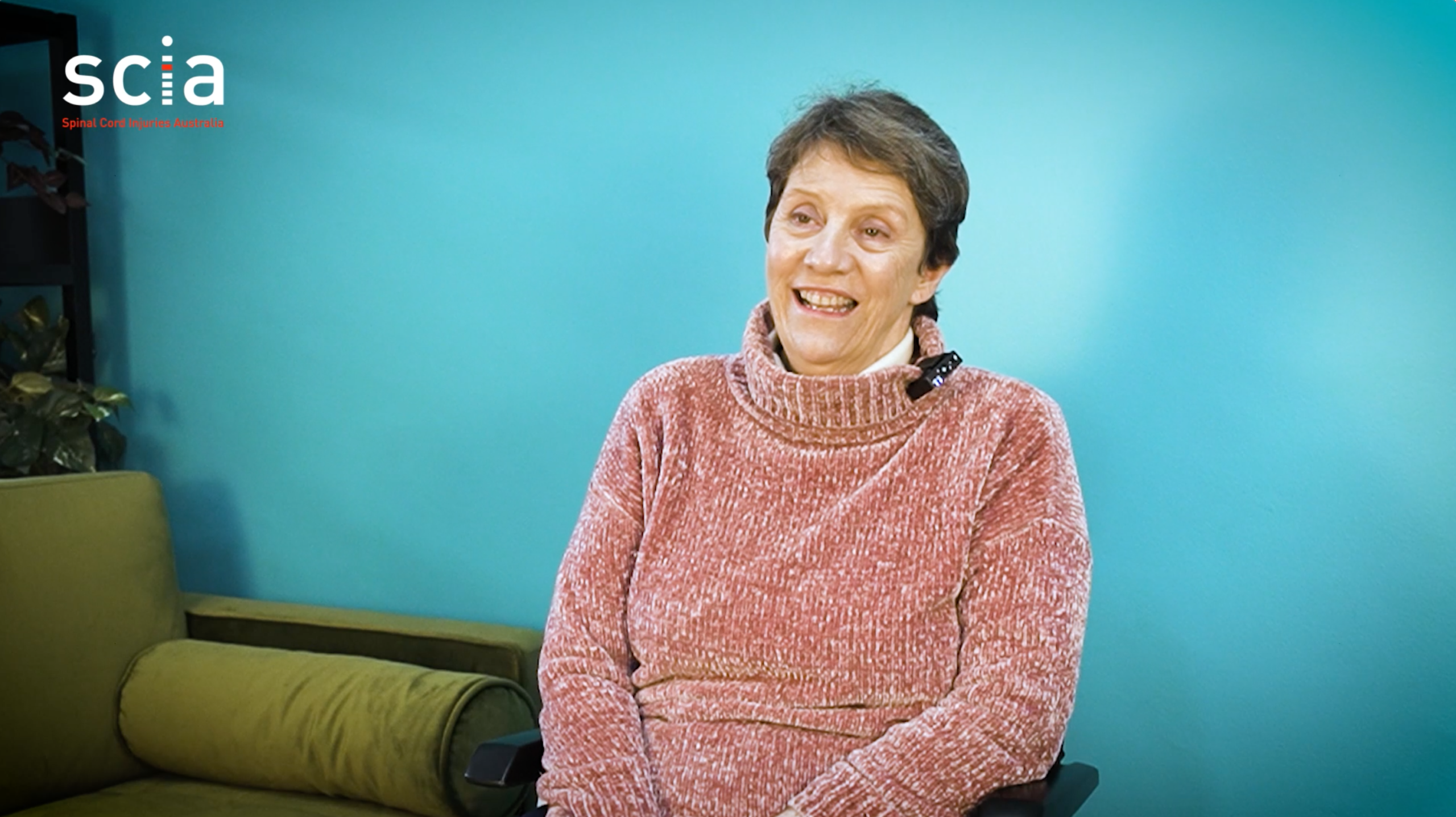
    Elizabeth is smiling and seated on a green lounge against a teal wall.

    For Elizabeth, family and staying active have always been a big part of life. Living in Perth with her three children, she was diagnosed with Motor neurone disease (MND) after noticing changes to her strength and mobility while playing soccer. Since then, she has adapted many of the activities she loves, finding new ways to stay connected to her family and maintain her independence.

    In this episode of One in Five, produced in collaboration with Spinal Cord Injuries Australia and NeuroMoves, Elizabeth shares her experience of living with MND, the challenges of adjusting to changing abilities, and how exercise and NeuroMoves have helped her maintain strength, balance and confidence in everyday life.

    Thank you to Elizabeth for sharing her story so openly.

    Transcript

    I’m stronger than I thought I was. Honestly, if you had asked me on into my diagnosis, if I was going to get through this, I would have said no, but I definitely. Well, I am getting through it every day.

    Hi, I’m Elizabeth, I’m 39, I live in Perth. Living with MND for two years now. So I started to experience some weakness pretty early on when I was playing football in 2022 soccer and just kind of put it to the back of my mind for probably a year or so. But then that weakness became a little bit more evident. And that’s when I started the investigative journey to kind of see what was going on. Basically just saw a GP he sent me for a couple of tests. They all came back clear, but then probably another six months later, it became more obvious that the weakness in my leg was getting worse.So I visited another GP who I was more familiar with, and she kind of pushed things along to get me seen by a specialist.

    It was pretty shocking. You know, I’ve got three children, so the first thought was that I wasn’t going to be there for my daughter’s primary school graduation. At that stage, which I have seen now, and I know I’ve got more milestones ahead of me that I’ll be here for.

    So my mindset definitely changed from that. I don’t want to be cliche about what it’s taught me, but it’s kind of hard not to be like, just don’t waste a moment. Like, every moment is precious and it’s easy to say sometimes living at each day is harder. Like, you know, appreciating each moment of the parenting is hard. But I’m just very grateful.

    Biggest challenges is accepting that I have to let go of some of the things that I was able to do for myself, letting go of it itself. You know, it’s fine, but accepting it mentally, yeah, really, really weighs heavily. Probably the most difficult thing I’ve had to let go of is the activities I do with the children. So going for runs together, or going down the park and pushing them on the swing and being reliant on them to help me around the house as well. Like, I feel like I’m always asking them to do something for me and that’s yeah, it’s pretty hard to deal with. We still maintain the things we used to do. I did offer to go for a run with my son the other day. He ran and I was on my scooter, but he wasn’t too keen. Fourteen year old with mum on her mobility scooter doesn’t sound so appealing, but we still get down the park. We’re still go watch the sunset by the beach. You know I don’t go to the beach half as much as I used to anymore, but we’re still there. It’s just been modified how we do it.

    I found NeuroMoves through Facebook, actually just scrolling along one night as I tend to do too much, and it definitely piqued my interest. Some of the equipment that was being used in the footage that I saw looked like it could challenge me, and that’s what I was looking for. The things I’ve been working on have been my strength. So my balance and basically I want to maintain, try and maintain the strength that I have got my existing strengths because my balance is quite terrible. I feel like, yeah, working towards maintaining that is helping me just in everyday life because I don’t use any aids around the house. And for as long as I can maintain that, I’d like to. So working on what we’re working on is, is helping with that. My core strength is quite weak, so working on that in here is just helping me to be able to continue with all that at home.

    My favourite exercise is swimming. I love to get in the pool, swim laps and just not feel any weakness at all. It’s great. I swam in primary school. I was always in the school carnivals and then as a young mother, I got into the Surf Life Saving Club down here at Coogee Beach and I did that for quite a few years.

    I kind of once I started playing soccer, I stopped swimming but have been getting back into it more recently. I love doing surf lifesaving. I did give it up long before my diagnosis and just life got in the way. Couldn’t do the early Sunday mornings anymore, but being at the beach every day was incredible and I’ve surprised myself quite a bit, just been emotionally capable of handling it and being able to push myself physically as well.

    And I was so fit prior to my diagnosis at the gym or running, swimming and playing soccer as much as I could. So being able to modify what I do physically, yeah, it’s definitely been challenging, but I know that I can do it now.

    Want to learn more about NeuroMoves?

    NeuroMoves is a specialised exercise physiology and physiotherapy service for people with disability and neurological conditions. Find out more about how they can help you, or a loved one, by visiting the NeuroMoves website.
    Search SCIA: