No two brain injuries are the same, making every person’s experience unique.
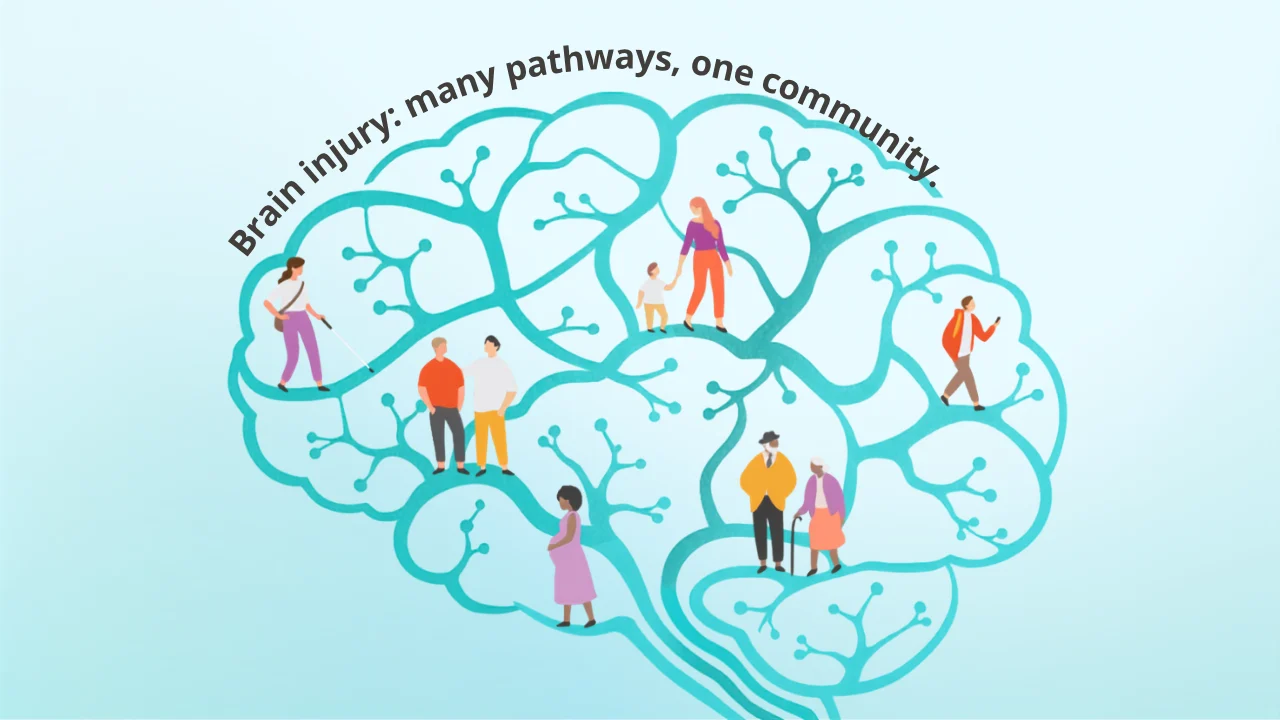
That’s the message behind this year’s Brain Injury Awareness Week theme, Many Pathways, One Community. Among the 1 in 45 Australians living with a brain injury,1 each person has their own story. The causes of brain injury, its impact on daily life, and the path that follows can look very different from one person to the next.
Brain Injury Awareness Week is an opportunity to deepen our understanding of those lived experiences, challenge misconceptions, and help create a more inclusive and supportive community.
Understanding brain injury
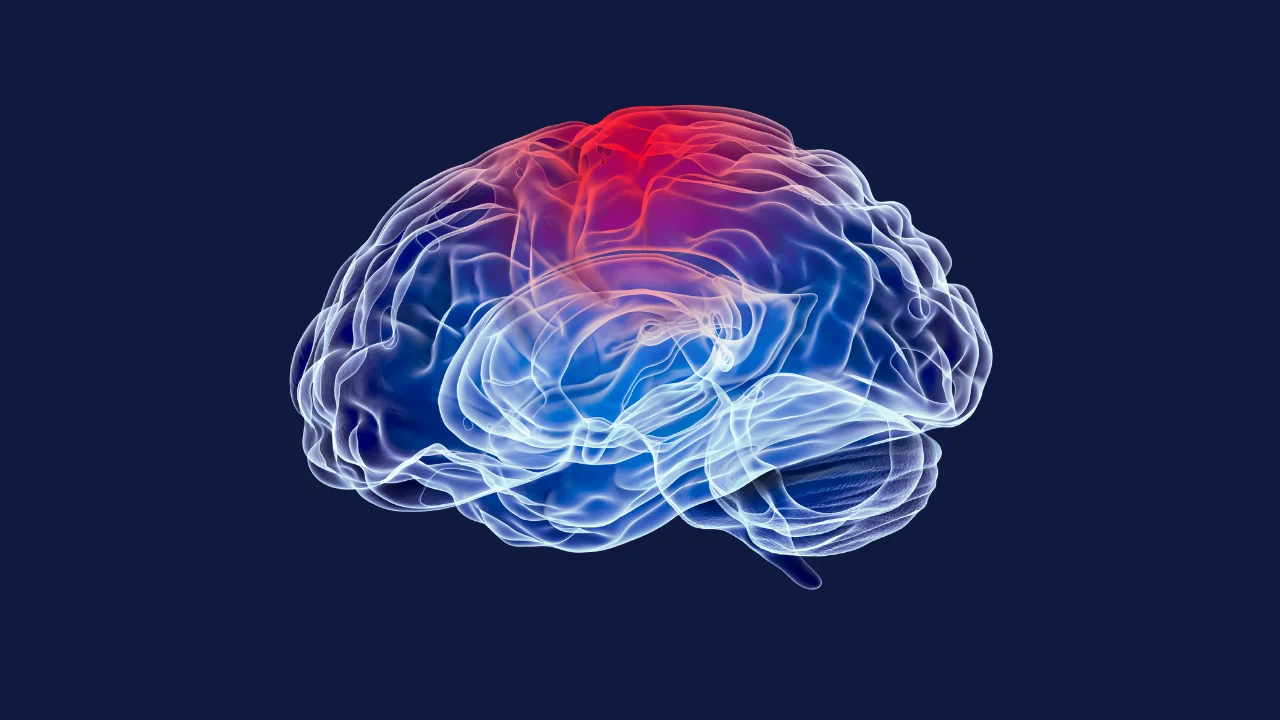
Brain injury is an umbrella term used to refer to damage to the brain that occurs after birth, also commonly referred to as an acquired brain injury (ABI).2,3 These injuries can happen as a result of a wide range of causes, including falls, stroke, motor vehicle accidents, infections and other medical conditions or events. A traumatic brain injury (TBI) is a specific type of ABI caused by an external force, such as a blow to the head or a rapid movement of the head.4
What people often don’t know is that brain injuries are common. According to the Australian Bureau of Statistics, more than 450,000 Australians are living with a brain injury,3 with three in four aged 65 or under. Additionally, as many as one in four brain injury hospitalisations are people aged 15 to 24.1
The impact of a brain injury can vary significantly depending on factors such as its cause and the area of the brain affected. For some people, brain injury may affect memory, attention, or impulse control. For others, it can affect movement, coordination or other physical functions.5
Many of these impacts are not immediately visible and, as a result, can be difficult for others to recognise and understand, even though they affect everyday life in significant ways.
How SCIA supports people living with brain injury
While awareness helps build understanding, access to the right support can help people navigate life after a brain injury and work towards what’s important to them.
At SCIA, services such as NeuroMoves and EmployAbility are designed to support people living with brain injury to pursue a range of goals, from improving physical health and wellbeing to preparing for employment and building greater independence.
Physical activity after a brain injury
Physical activity can play a vital role in rehabilitation and long-term wellbeing after a brain injury.
At NeuroMoves, our exercise physiologists and physiotherapists work alongside people living with brain injury to support their health, mobility and independence through tailored exercise programs.
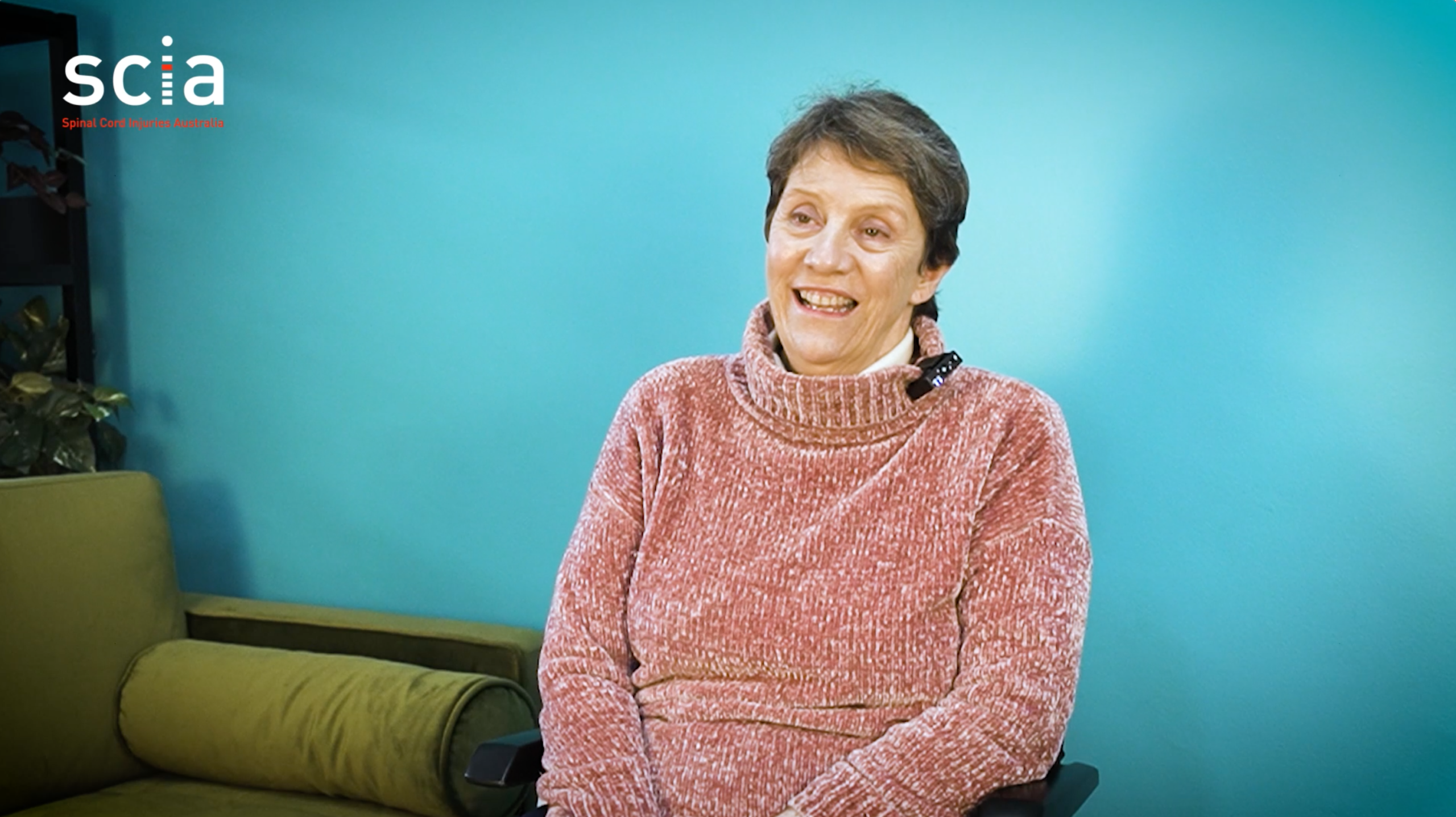
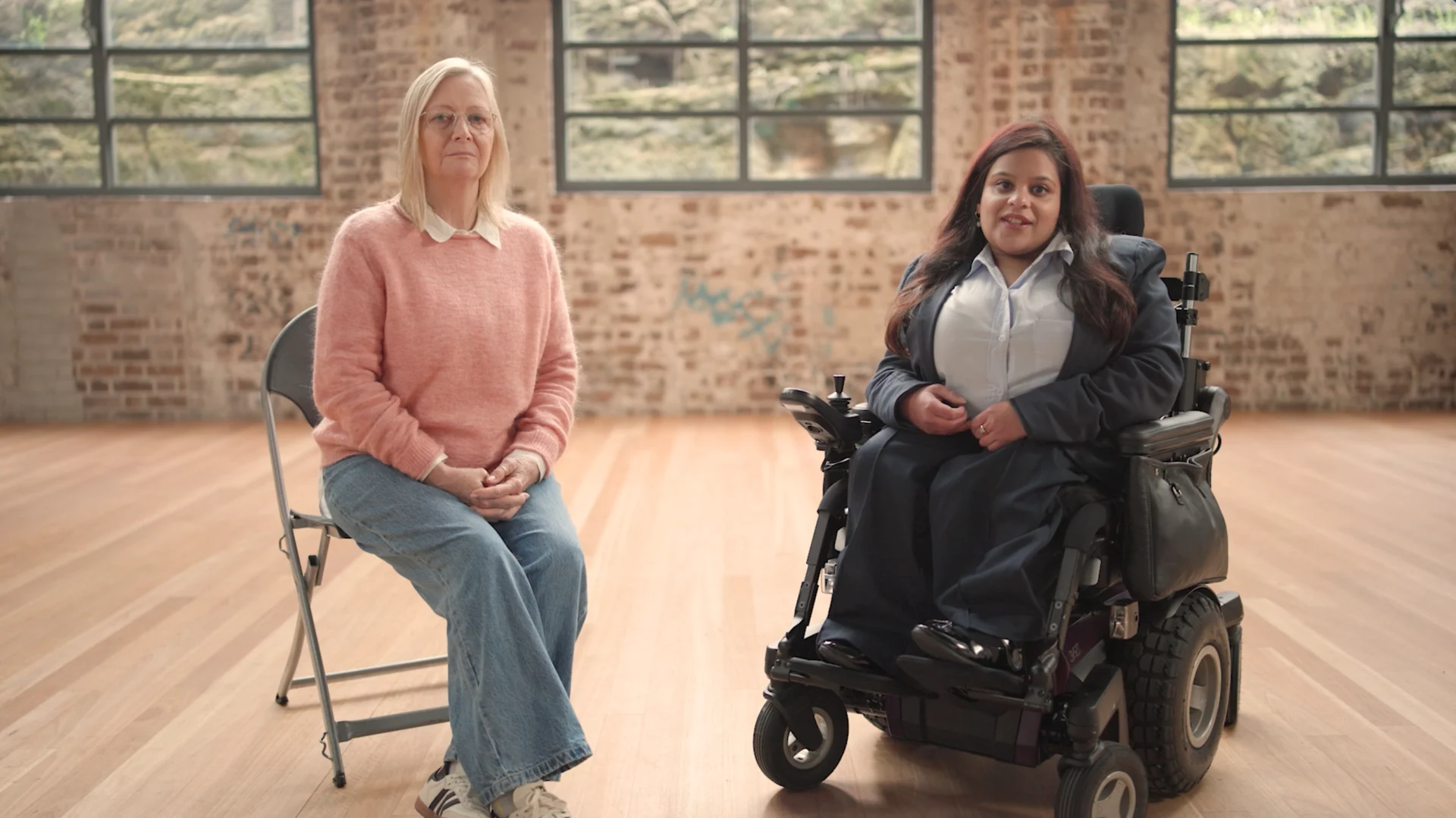
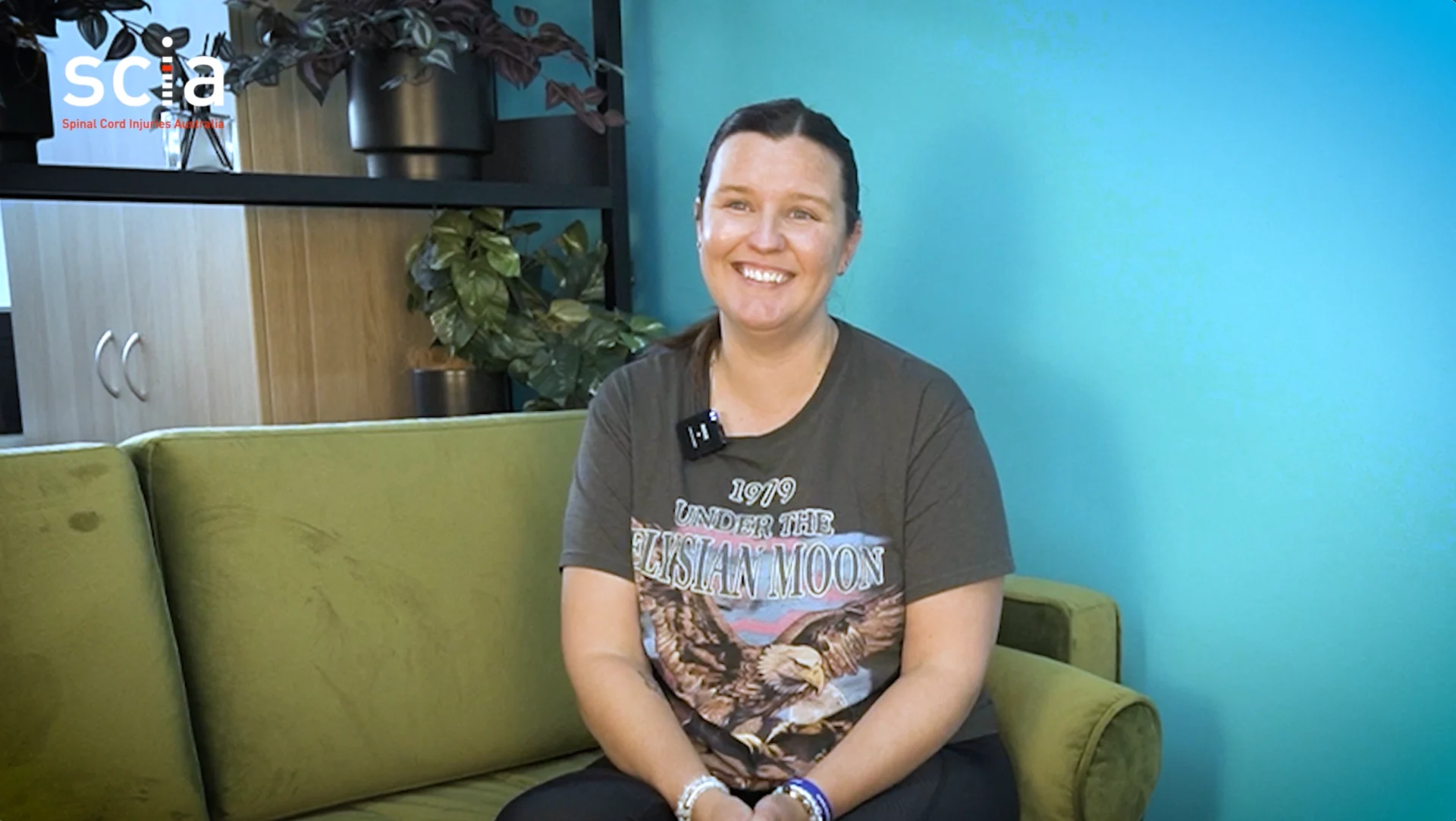
As part of our NeuroMoves On the Couch series our team explores the role exercise can play in supporting people living with brain injury and shares practical ways to stay active.
To learn more, visit the NeuroMoves website for information about our specialised exercise physiology and physiotherapy services for people with physical disability and neurological conditions.
Returning to work after a brain injury
Similarly, work can play an important role in building confidence, independence and connection to the community after a brain injury.
For some people, that might mean preparing for their first job and for others it might involve exploring new opportunities. For the most part, the path to employment isn’t always straightforward, which is why work readiness, building confidence and practical support can play a key part in this journey.
EmployAbility’s TBI Program supports people living with a traumatic brain injury build skills and prepare for future employment in a supportive and flexible learning environment.
Beyond this week
Brain Injury Awareness Week will end. The need for awareness, understanding and inclusion won’t.
We encourage everyone in our community to continue building their awareness of the diverse experiences of people living with brain injury. Together, we can help create a world where people living with brain injury feel understood, included and supported, not just during Brain Injury Awareness Week, but every day of the year.
To continue your learning, explore more from the SCIA Resource Hub:
- NeuroMoves On The Couch – Navigating Exercise After Stroke
- NeuroMoves shows the Power of Exercise and Movement
To learn more about the lived experience of people with brain injury you can also check out the following resources:
- Blogs and Community hub by Synapse Australia’s brain injury organisation.
- Factsheets and previous newsletters produced by Brain Injury Australia.
References
- https://synapse.org.au/key-facts-figures-sources/
- https://synapse.org.au/understanding-brain-injury/brain-injury-basics/
- https://www.aihw.gov.au/reports/disability/disability-australia-acquired-brain-injury/summary
- https://synapse.org.au/fact-sheet/traumatic-brain-injury/
- https://synapse.org.au/understanding-brain-injury/effects-of-brain-injury/