Opens in a new tab
SearchJoin Our CommunityCommunity
  • Donate Now
  • Donate

    Videos

    Discover more on Videos

    Categories
    + Show More
    List View

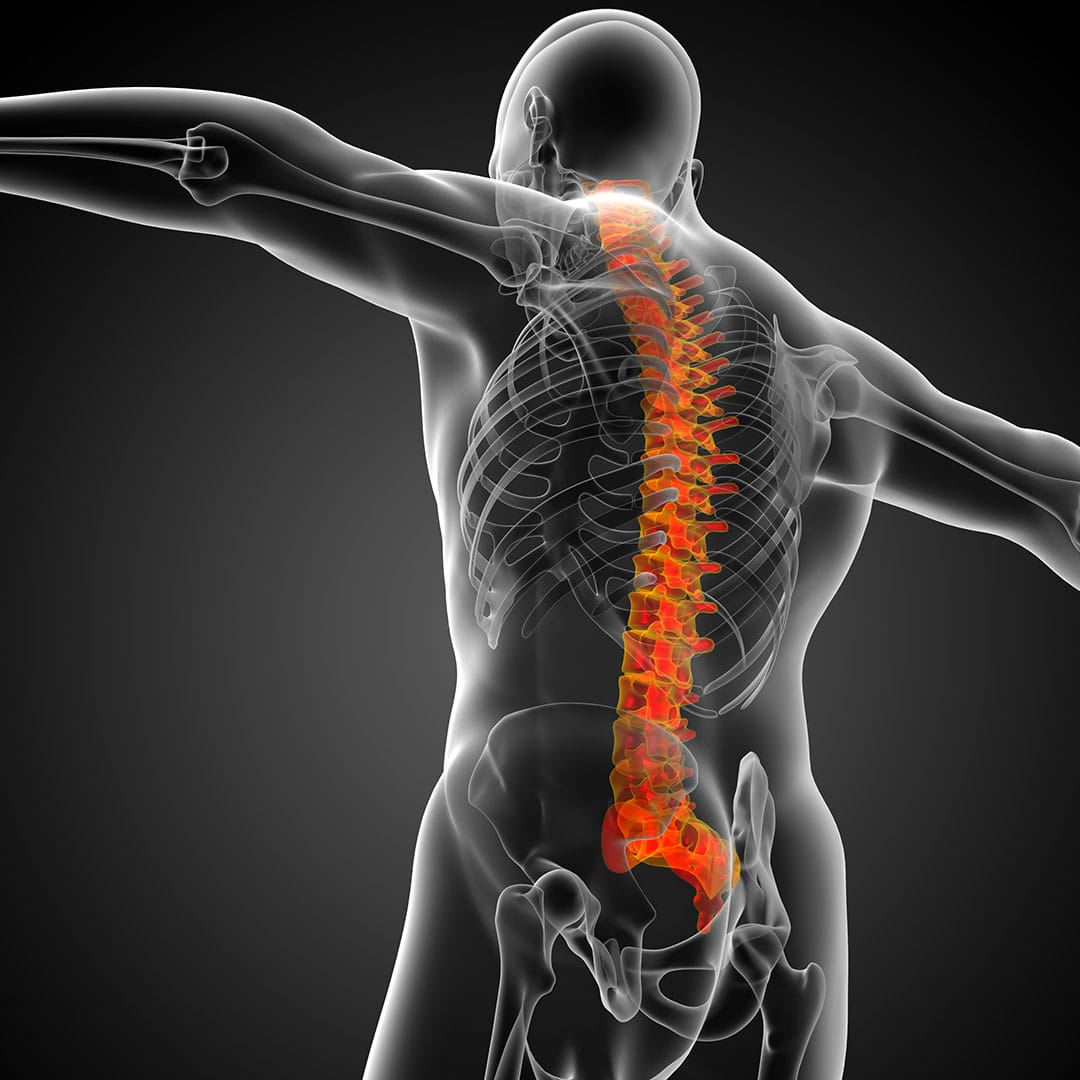
    The Spinal Cord – Dr. Mike Todorovic

    In this video, Dr Mike explains topics such as anatomy of the spinal cord, sensory matter and motor matter
    Read More
    Peer Support Education Series: Pressure Injury Protection and Prevention

    This presentation will cover pressure injuries and pressure care, as well as, causes, preventative measures, appropriate assistive technology and more.
    Read More
    Peer Support Education Series: Bladder and Bowel Care with Coloplast

    This online education session is in collaboration with Coloplast to give you the skills and confidence to manage common continence...
    Read More
    Peer Support Education Series: Sexuality, Intimacy and SCI

    Our ACT Community Peer Support team will be running the next education session on sexuality and intimacy post-SCI.
    Read More

    Assessing the NSW Fitness to Drive Medical Assessment

    The NSW Fitness to Drive Medical Assessment is anyone who drives and has a medical condition, illness or injury that...
    Read More
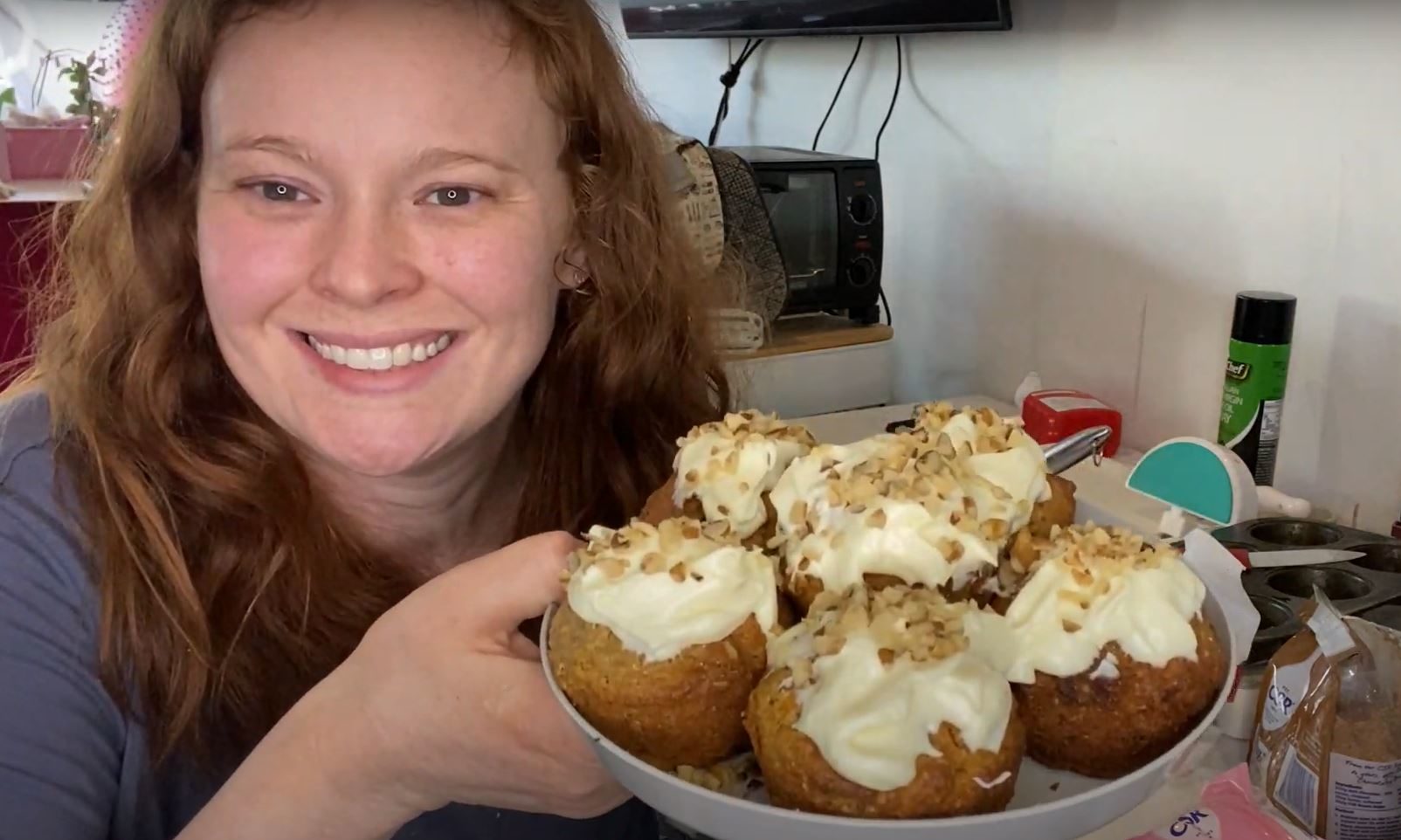
    Adapting around your kitchen with Chloe

    Chloe is back to talk about the adaptive tools she uses to bake Carrot Cake Muffins. She gives practical advice...
    Read More
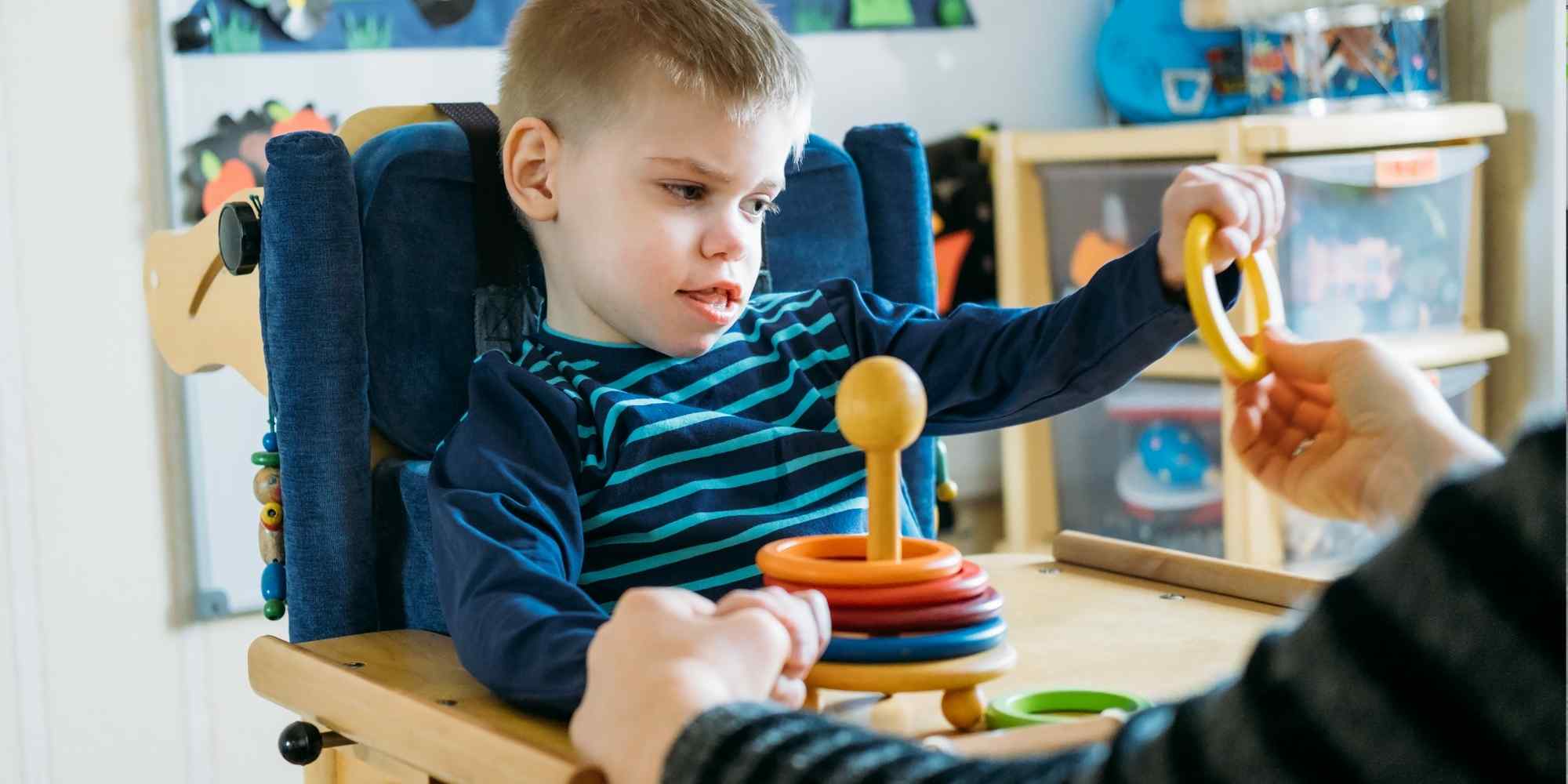
    Children with disability deserve better education experience

    For International Day of People with Disability, Dean talks about improving education experience for kids in hospital.
    Read More

    Magee Rehab Airline Travel Video for People with Disabilities

    Magee Rehabilitation Hospital partnered with Southwest Airlines to create this video of helpful tips for people with disabilities who wish...
    Read More
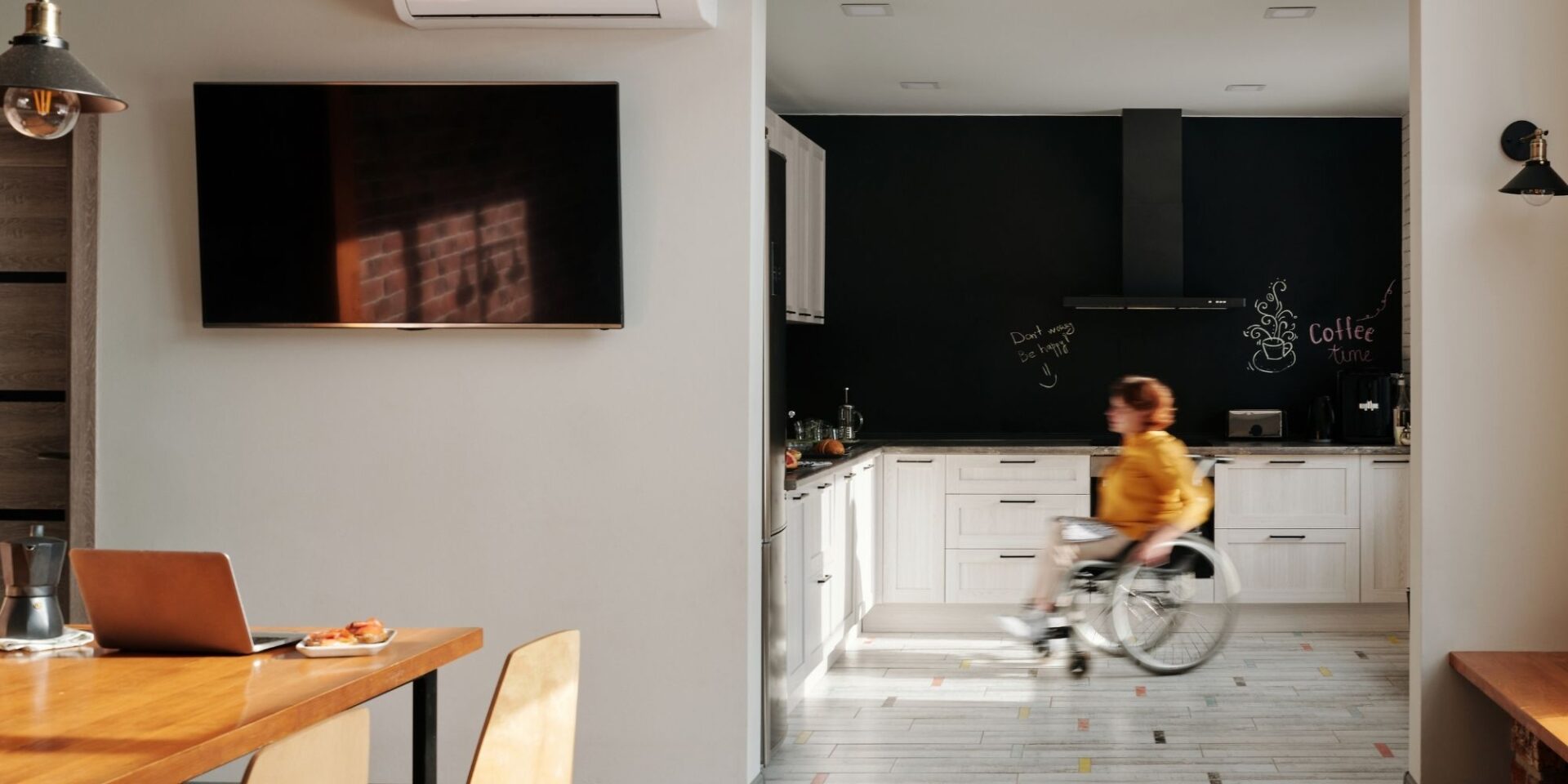
    Managing Bowel Function After Spinal Cord Injury

    We can search out numerous information about managing bowel function on the Internet. However, the scattered data is a bit...
    Read More

    Managing bowel function after spinal cord injury can be a challenge for many people with spinal cord injuries. However, using suitable tools and techniques, it is possible to maintain a regular bowel function and improve quality of life. This post will discuss some tips for managing bowel function in people with SCI.

    • Stay hydrated: Drinking enough water can help prevent constipation. Aim for at least 2000 to 3000ml daily, equivalent to about 8 to 12 eight-ounce glasses or about 3 quarts of water daily.
    • Eat a high-fibre diet: high-fibre foods can increase the weight and size of your stool and soften it, decreasing the chance of constipation. These foods include fruits, vegetables, whole grains and more.
    • Exercise regularly: Regular physical activity can help stimulate bowel movement and prevent constipation.
    • Use assistive devices: Suppositories are a common component of successful bowel management programs. Enemas can also be a vital component of bowel programs.
    • Meditations: Your doctor may prescribe medications to help manage bowel function, such as laxatives or stool softeners.
    • Bowel management program: A personalised bowel program involving a combination of diet, fluid intake, medication, and other techniques can help manage bowel function.
    • Keep tracking of bowel movements: Keeping a record of your bowel movements helps identify patterns and potential issues.

    Managing Bowel Function After Spinal Cord Injury

    Moreover, the Model Systems Knowledge Translation Center (MSKTC) features an informative page covering many aspects of managing bowel function. Please visit the page if interested. Our Peer Support team can help you with practical advice and lived experience of physical disability.

    Declaimer: These tips are for informational and educational purposes only. Please consult your doctor or other health professionals to ensure this information is right for you.

    Sources for the post

    Hydration with a Spinal Cord Injury – Craig Hospital

    Spinal Cord Injury – Bowel management and Spinal Cord Injury

    Search SCIA: