SearchJoin Our CommunityCommunity
  • Donate Now
  • Donate

    Your central hub for information, support tools, and practical advice.

    We have a wealth of knowledge to share with you about living with a spinal cord injury (SCI), and have pulled this together in this section to help you access the information you need, when you need it.

    Discover our resources

    Categories
    + Show More
    List View

    Disability Royal Commission, Connecting Cultures, the Landscape of First Nations & Disability

    The latest episode of "Have the Nerve" is now accessible. It features Susan Wood's exploration of the Disability Royal Commission...
    Read More

    Carer Gateway Empowers Carers with Vital Carer Support Services

    Carer Gateway connects carers with carer support providers. It offers emotional and practical services to support.
    Read More
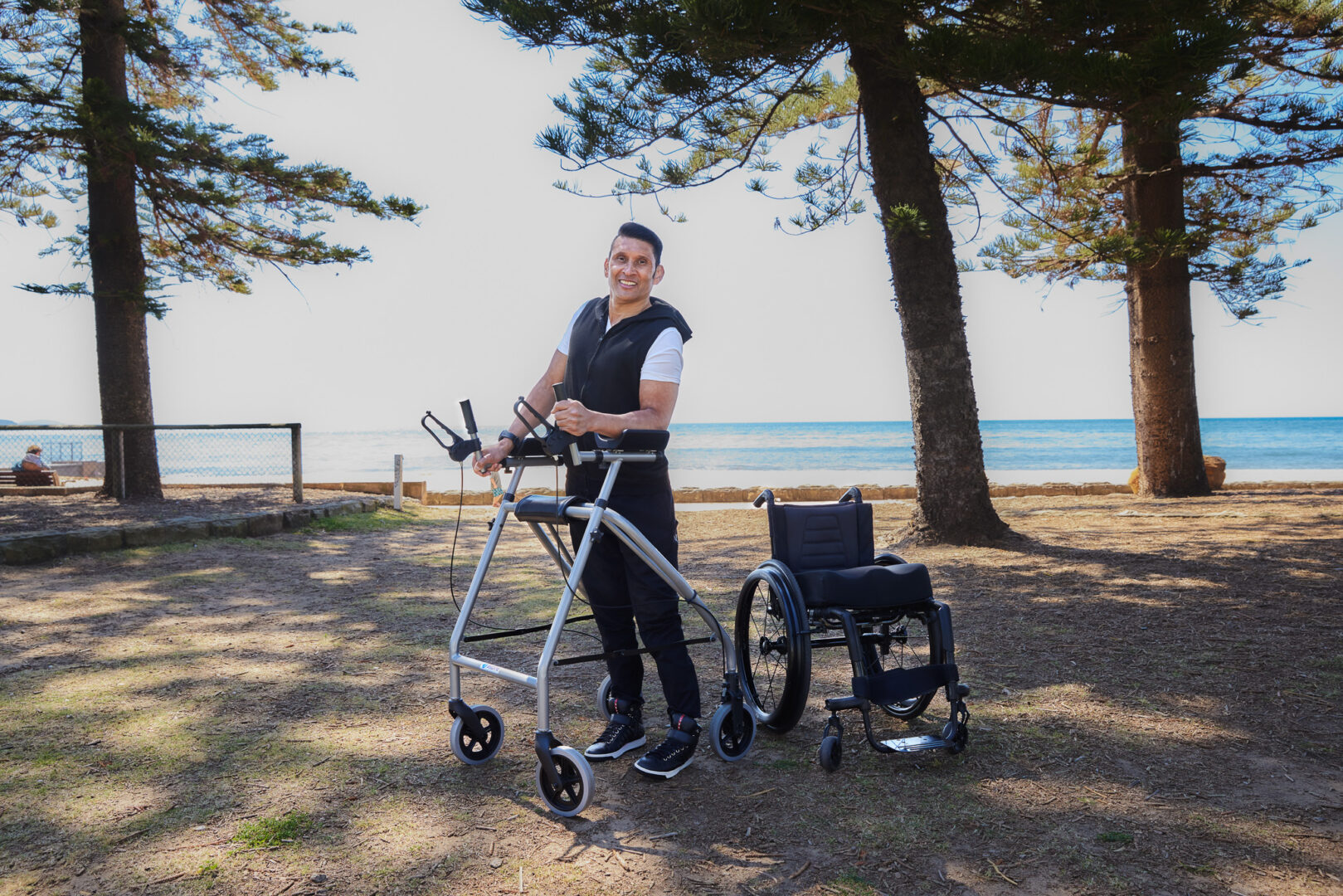
    Project Spark: Exploring Neurostimulation Treatments, the Intersection of Technology and Healing

    In the ever-evolving landscape of medical progress, the sparks of innovation consistently illuminate the path toward discovering novel solutions that...
    Read More
    Building Resilience in People with Disabilities

    Building resilience is a crucial and transformative process that empowers individuals to confront life's challenges, especially for people with disabilities....
    Read More
    Continence Poverty – The Cost When You Can’t Afford

    Edwina Spooner from Coloplast is back and we talk about the very sobering realities for a lot of people who...
    Read More

    Person-Centred Emergency Preparedness Workshop: Part Three

    Continuing our Person-Centred Emergency Preparedness Workshop (P-CEP), Part Three starts by exploring one of the critical phases of preparedness: planning...
    Read More

    A colostomy is a surgical procedure that creates an opening in the colon to help manage bowel movements. Although surgery can be daunting, for many people with spinal cord injuries, it can be a helpful way to improve their bowel management and quality of life.

    A colostomy is typically placed in the large intestine or colon. This creates a new opening that allows stool to leave the body before reaching the rectum. The stool then empties into a plastic receptacle on the outside of the abdomen, which individuals with SCI can easily empty into the toilet. This procedure allows them to manage their bowel movements better and improve their quality of life. Additionally, colostomy has several benefits for individuals with SCI, including:

    Reduced risk of complications

    Spinal cord injuries or nerve damage may damage the nerves that control the colon’s lower part, leading to various bowel-related complications such as constipation, fecal impaction, and bowel obstruction. Colostomy can reduce the risk of these complications by diverting stool away from the rectum and anus.

    Easier bowel care

    With a colostomy, bowel care becomes much more manageable and less time-consuming. Individuals with SCI who have colostomies can generally manage their bowel movements more conveniently and efficiently.

    Improved skin health

    Bowel incontinence can cause skin irritation, infection, and breakdown. Colostomy can help prevent these issues by diverting stool away from the skin.

    Why Some Wheelchair Users Wish They’d Chosen a Colostomy Sooner

    Increased independence

    Colostomy allows people with SCI to be more independent in their daily lives. They can engage in activities without worrying about bowel accidents or the need to visit the restroom frequently.

    In a post from New Mobility, several wheelchair users share their positive experiences with a colostomy. However, it’s important to note that colostomies come with both pros and cons. Adjusting to having a stoma can be challenging both physically and emotionally. The skin around the stoma may become a source of infections and complications, such as inflammation and irritation.

    Before deciding on a colostomy, it’s crucial to weigh the pros and cons and discuss them with your doctor. They can provide you with the necessary information and help you make an informed decision. Our Peer and Family Support team is also available to offer non-clinical practice advice and share their lived experiences with physical disabilities.

    Sources: National Library of Medicine/ 2


    Search SCIA: