Opens in a new tab
SearchJoin Our CommunityCommunity
  • Donate Now
  • Donate

    Research

    Discover more on Research

    Categories
    + Show More
    List View

    Does regular standing improve bowel function in people with spinal cord injury?

    Twenty community-dwelling people with motor complete spinal cord injury above T8 participated in a 16-week trial.
    Read More
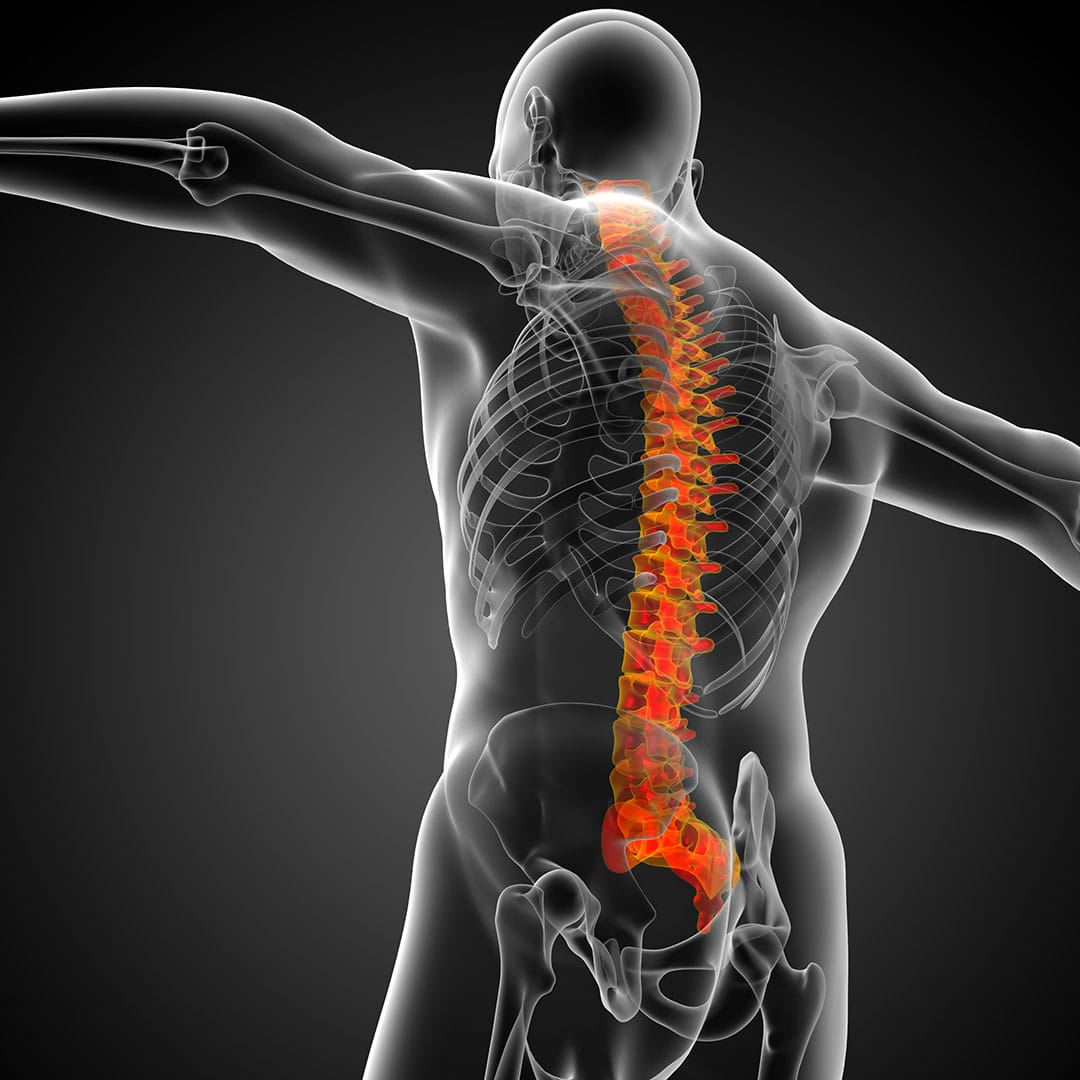
    Chronic Complications of Spinal Cord Injury

    Spinal cord injury (SCI) is a serious medical condition that causes functional, psychological and socioeconomic disorder.
    Read More

    PASA Research

    Rachel Wotton is a Sex Worker and PhD Candidate for Western Sydney University. She is seeking people with disabilities to...
    Read More

    Sex workers and clients with disability in NSW

    Rachel Watton, a sex worker, Churchill Fellow, and PhD candidate at Western Sydney University, wrote the informative thesis titled "Sex...
    Read More

    Cannabinoids for medical use: a systemic review and meta-analysis

    Cannabinoids for medical use: a systemic review and meta-analysis
    Read More

    Targeted neurotechnology restores walking in humans with spinal cord injury

    Spinal cord injury leads to severe locomotor deficits or even complete leg paralysis. Here we introduce targeted spinal cord stimulation...
    Read More

    Attitudes towards medical cannabis for people with SCI

    An observational study addressing attitudes toward and knowledge of cannabis among people living with spinal cord injury (SCI).
    Read More

    Chronic complications of spinal cord injury provides an overview of chronic complications of spinal cord injury, whether due to trauma or different conditions.

    Spinal cord injury (SCI) is a serious medical condition that causes functional, psychological and socioeconomic disorder. Therefore, patients with SCI experience significant impairments in various aspects of their life. The goals of rehabilitation and other treatment approaches in SCI are to improve functional level, decrease secondary morbidity and enhance health-related quality of life. Acute and long-term secondary medical complications are common in patients with SCI. However, chronic complications especially further negatively impact on patients’ functional independence and quality of life. Therefore, prevention, early diagnosis and treatment of chronic secondary complications in patients with SCI is critical for limiting these complications, improving survival, community participation and health-related quality of life. The management of secondary chronic complications of SCI is also important for SCI specialists, families and caregivers as well as patients. In this paper, they review data about common secondary long-term complications after SCI, including respiratory complications, cardiovascular complications, urinary and bowel complications, spasticity, pain syndromes, pressure ulcers, osteoporosis and bone fractures. The purpose of this review is to provide an overview of risk factors, signs, symptoms, prevention and treatment approaches for secondary long-term complications in patients with SCI.

    Read Chronic complications of spinal cord injury on PubMed.

    Search SCIA: