SearchJoin Our CommunityCommunity
  • Donate Now
  • Donate

    Your central hub for information, support tools, and practical advice.

    We have a wealth of knowledge to share with you about living with a spinal cord injury (SCI), and have pulled this together in this section to help you access the information you need, when you need it.

    Discover our resources

    Categories
    + Show More
    List View

    NDIS Internal Review Workshop FAQs Part One

    Watch Jade walk about the top five frequently asked questions from Policy and Advocacy's first NDIS Workshop
    Read More

    Breathe for your mind and heart

    The University of Sydney’s Spinal Cord Injury Mind and HeART (SMART) Trial team has been set up to assess how...
    Read More

    Why Some Wheelchair Users Wish They’d Chosen a Colostomy Sooner

    This article provides first hand knowledge of people who have decided to improve their bowel management by having the surgical...
    Read More

    The Overlooked Victim Survivors of Domestic Violence and Sexual Assault

    Despite systems in place for people trying to escape abuse, the support, requirements and care that people with disabilities who...
    Read More

    International perspectives on spinal cord injury

    This report provides an international perspective on the epidemiology, services, interventions and policies that are relevant, together with the lived...
    Read More

    The Economic Cost of Spinal Cord Injury and TBI in Australia

    Extensive information and statistics on the economic cost of spinal cord injury and traumatic brain injury in Australia.
    Read More

    Spinal cord injury (SCI) is damage to the spinal cord that results in a loss of function, such as mobility, sensation and reflexes. The spinal cord is a long, tube-like band of tissue running from the brain down through the centre of the spine.

    The spinal cord carries messages between the brain and the rest of the body, managing the body’s movement and sensation. When it’s damaged, these functions can be disrupted or lost.

    Two main types of SCI

    • Complete SCI, which means a total loss of function and sense below the site of the injury.
    • Incomplete SCI means some residual function and sensation below the location of the damage.

    What is a spinal cord injury

    Symptoms of SCI

    Various factors, including accidents, sports injuries and violence, can cause spinal cord injury. Some medical conditions can also cause SCI, such as cancer, infection or inflammation. Meanwhile, these factors can result in a range of symptoms, including:

    • Loss of movement or feeling in the body below the site of the injury
    • Pain or discomfort
    • Difficulty with bladder and bowel control
    • Sexual dysfunction
    • Difficulty breathing
    • Problems with blood pressure and heart rate
    • And more

    Treatment for spinal cord injury

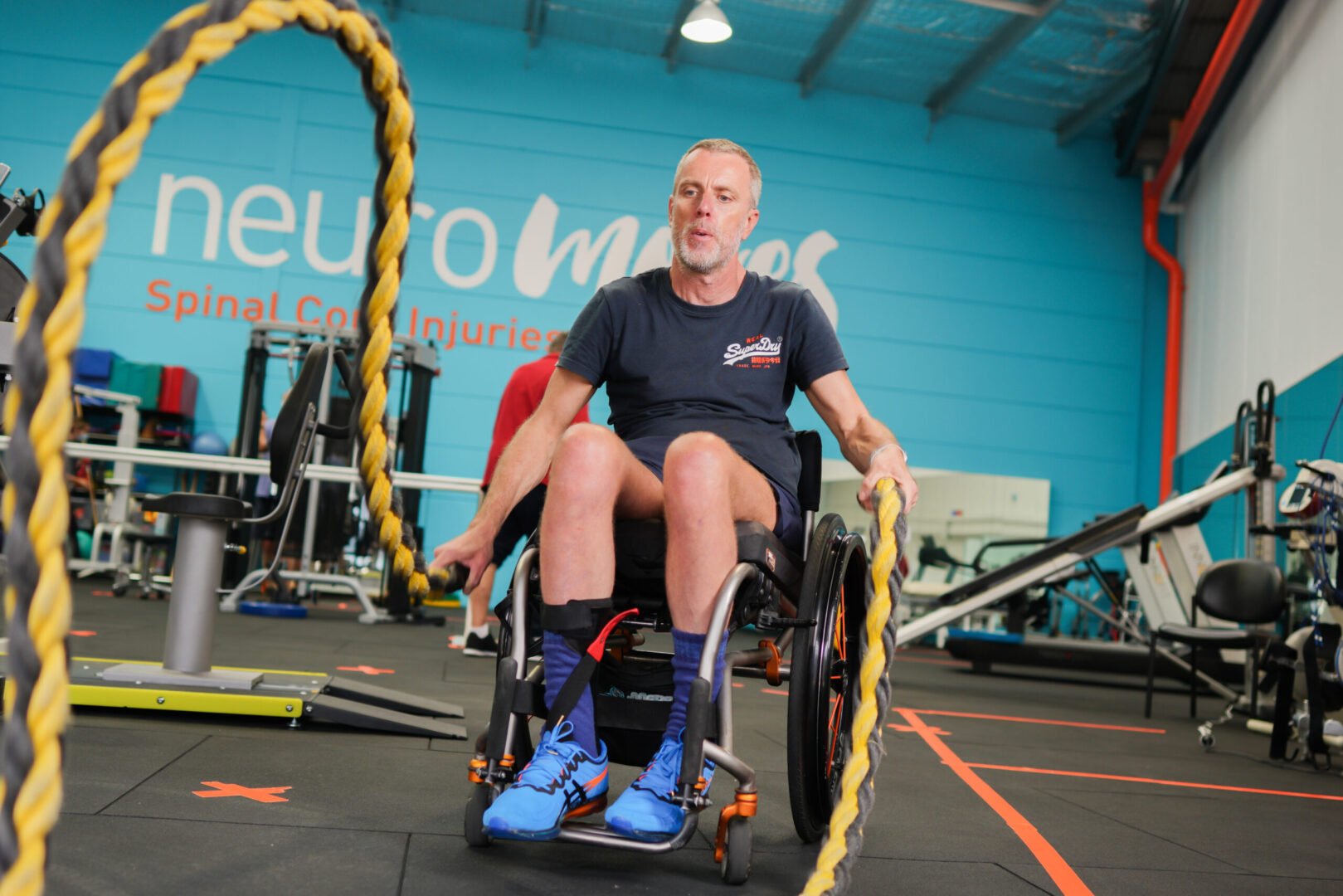
    It involves a combination of medical, physical and rehabilitation therapies. The goal of treatment is to maximise function and independence and to manage any complications that may arise. BTW, SCIA operates NeuroMoves, an innovative, holistic, evidence-based exercise and therapy service for people with a neurological condition or physical disability. The service can help people with spinal cord injuries improve their health and well-being by maximising mobility, function, and independence.

    Additionally, we have built up a factsheet for the topic. Please access the page to learn more about spinal cord injury if interested.

    Search SCIA: