SearchJoin Our CommunityCommunity
  • Donate Now
  • Donate

    SCIA assist young NDIS Participant to become Independent

    • Susan Wood

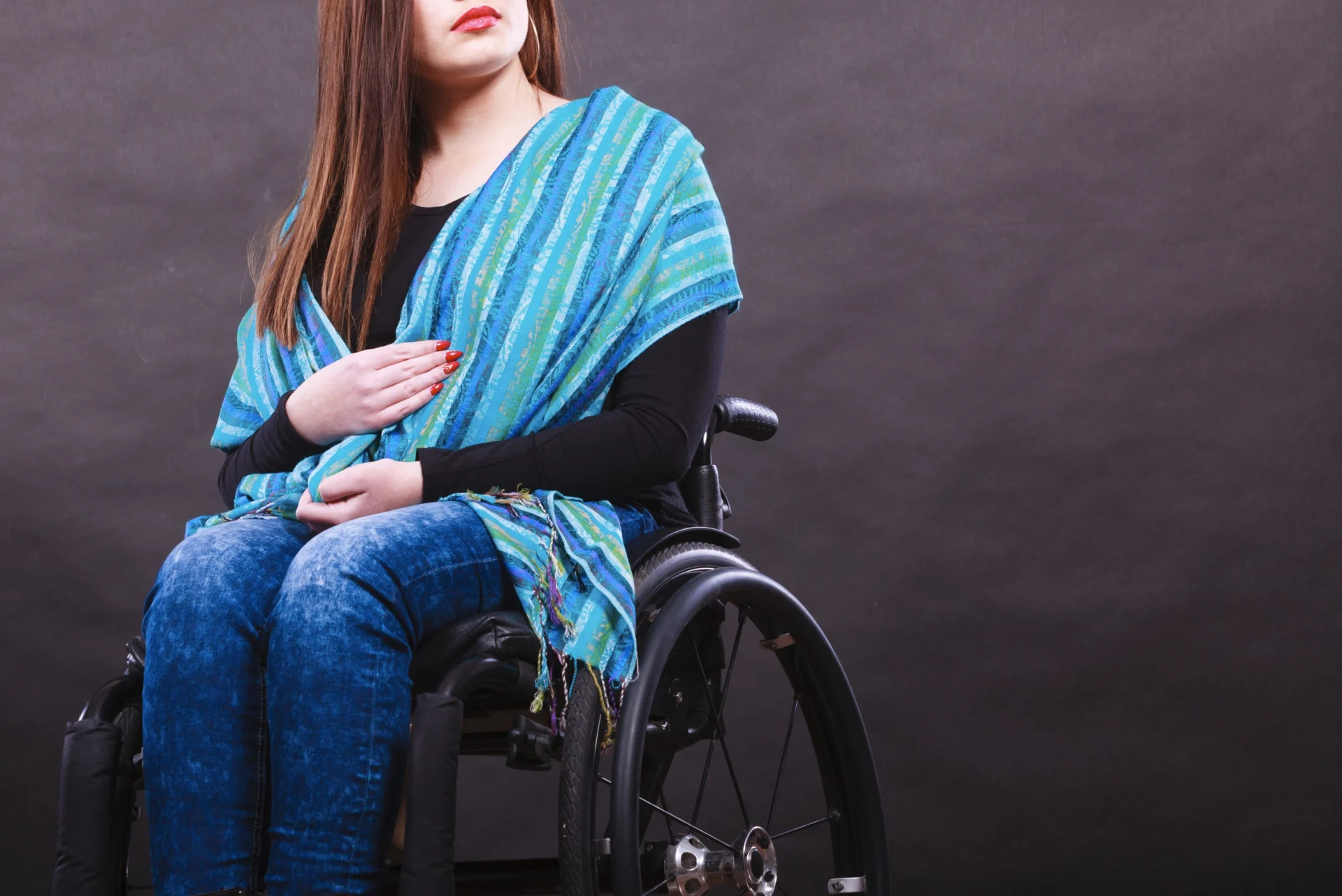
    R is a 21-year-old young woman, living with a traumatic spinal cord injury that she sustained when she was 3 years-old. She experiences chronic pain, deteriorating sensation and control of her bodily functions, and is a fulltime wheelchair user. R was also a ward of the state, which meant she was living with family for years or sometimes months, at a time, with unstable supports. When she was 17, R decided that she wanted to live with her grandmother in Sydney. Her Family and Community Services (FaCS) social worker referred R to Spinal Cord Injuries Australia (SCIA) to support her as she transitions into adult medical and social services for her condition through her NDIS plan. R’s move to Sydney meant that she had more access supports, as well as opportunities for education and work, but it also meant living in her grandmother’s in-accessible home.

    The urgent need for housing, community and family services involvement, and her complex disability needs meant that R was eligible to work with a Specialist Support Coordinator (SSC). SSC helped R to finding and apply for funded supports for Specialist Disability Accommodation (SDA) under her NDIS plan, while liaising with FaCS through her After-Care Plan, for 18 to 25-year-olds transitioning out of state care, on supporting her education, employment, and medical expenses.

    R worked hard on finishing her HSC, and successful admission into university. R was also involved with Wheelchair basketball with local and inter-state games. She also represented Australia overseas. This meant that it was important for R to find SDA close to her university and facilities where she has regular Wheelchair Basketball training, as well as being close to friends and family. With the support of SSC, R was approved for SDA to live in the area she chose. SSC supported R to connect with, and access supports she needs to maintain her studies and day-to-day care, and in liaising with government and medical contacts.

    SSC helped R develop a team of support workers that help build her capacity in maintaining her health and her home, learn skills that a lot of young people need when they first move out, with the added challenge that her disability brings.

    R, with the assistance of SSC, now lives independently. She is empowered to take on challenges and set goals, at times above and beyond that of her peers, in light of the complex needs and difficult circumstances she lived through as a child into a young adult. R has the opportunity to build and maintain relationships, and connect with her culture and family, and live a life she chooses.

    R is a 21-year-old young woman, living with a traumatic spinal cord injury that she sustained when she was 3 years-old. She experiences chronic pain, deteriorating sensation and control of her bodily functions, and is a fulltime wheelchair user. R was also a ward of the state, which meant she was living with family for years or sometimes months, at a time, with unstable supports. When she was 17, R decided that she wanted to live with her grandmother in Sydney. Her Family and Community Services (FaCS) social worker referred R to Spinal Cord Injuries Australia (SCIA) to support her as she transitions into adult medical and social services for her condition through her NDIS plan. R’s move to Sydney meant that she had more access supports, as well as opportunities for education and work, but it also meant living in her grandmother’s in-accessible home.

    The urgent need for housing, community and family services involvement, and her complex disability needs meant that R was eligible to work with a Specialist Support Coordinator (SSC). SSC helped R to finding and apply for funded supports for Specialist Disability Accommodation (SDA) under her NDIS plan, while liaising with FaCS through her After-Care Plan, for 18 to 25-year-olds transitioning out of state care, on supporting her education, employment, and medical expenses.

    R worked hard on finishing her HSC, and successful admission into university. R was also involved with Wheelchair basketball with local and inter-state games. She also represented Australia overseas. This meant that it was important for R to find SDA close to her university and facilities where she has regular Wheelchair Basketball training, as well as being close to friends and family. With the support of SSC, R was approved for SDA to live in the area she chose. SSC supported R to connect with, and access supports she needs to maintain her studies and day-to-day care, and in liaising with government and medical contacts.

    SSC helped R develop a team of support workers that help build her capacity in maintaining her health and her home, learn skills that a lot of young people need when they first move out, with the added challenge that her disability brings.

    R, with the assistance of SSC, now lives independently. She is empowered to take on challenges and set goals, at times above and beyond that of her peers, in light of the complex needs and difficult circumstances she lived through as a child into a young adult. R has the opportunity to build and maintain relationships, and connect with her culture and family, and live a life she chooses.
    Search SCIA: