Opens in a new tab
SearchJoin Our CommunityCommunity
  • Donate Now
  • Donate

    Podcasts

    Discover more on Podcasts

    Categories
    + Show More
    List View

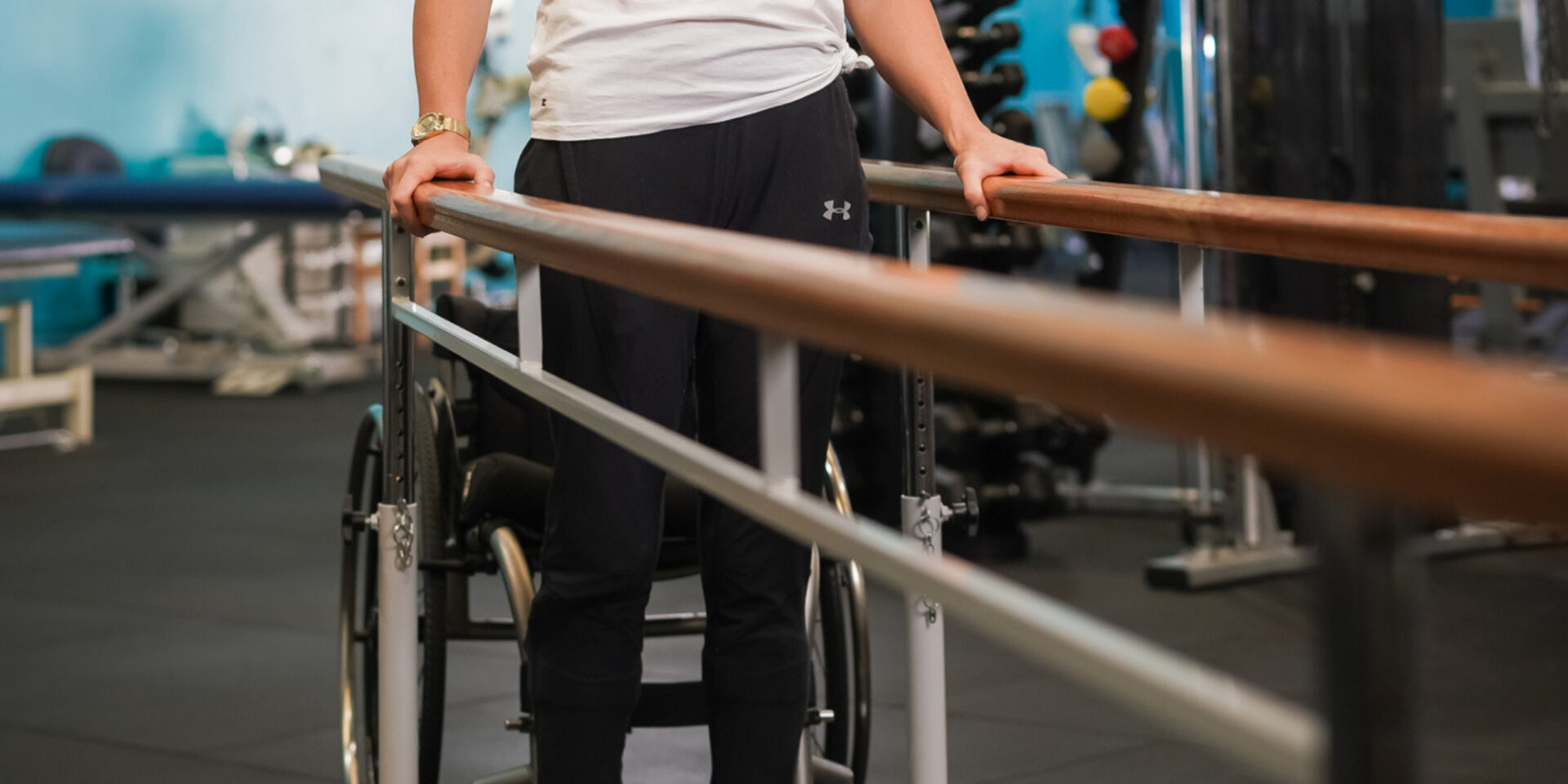
    Why is standing so important for people who can’t move their legs?

    Physiotherapist Colbey Van Leeuwen and Exercise Physiologist Alicia Payne talk about the importance of standing in therapy
    Read More

    Sexual Rights, Sex Work and Disability

    Susan and Rachel talk about the misconceptions of two marginalised communities.
    Read More

    Sex with Strangers: Sex and Disability Episode 31

    Sex with Strangers is a podcast by Chris Sowa. In episode 31 it features people with physical disabilities talking about...
    Read More
    So, how disabled do you need to be for the NDIS?

    In this episode, Susan explores the struggles people face when trying to access the NDIS.
    Read More

    Tourism, Access and City Planning with Access Bondi

    This episode explores why it's important for tourist destinations to be accessible people of all abilities.
    Read More

    Pain management and medicinal cannabis

    What is like to live with pain that never stops? What is out there for pain management?
    Read More
    Managing Bowel Function After Spinal Cord Injury

    We can search out numerous information about managing bowel function on the Internet. However, the scattered data is a bit...
    Read More

    Psychosexual Exploration, Sexual Self-Esteem and Disability

    Candice Care-Unger and Arlyn Owens from Royal Rehab's Sexuality Service in Sydney talks to Susan about how sexual self-esteem and...
    Read More

    Nazim Erdem – Paralympic Gold Medalist, Wheelchair Rugby

    Former Australian Steeler and Paralympic Wheelchair Rugby Gold medalist, Naz Erdem talks about his life as a Paralympian and his...
    Read More

    Managing bowel function after spinal cord injury can be a challenge for many people with spinal cord injuries. However, using suitable tools and techniques, it is possible to maintain a regular bowel function and improve quality of life. This post will discuss some tips for managing bowel function in people with SCI.

    • Stay hydrated: Drinking enough water can help prevent constipation. Aim for at least 2000 to 3000ml daily, equivalent to about 8 to 12 eight-ounce glasses or about 3 quarts of water daily.
    • Eat a high-fibre diet: high-fibre foods can increase the weight and size of your stool and soften it, decreasing the chance of constipation. These foods include fruits, vegetables, whole grains and more.
    • Exercise regularly: Regular physical activity can help stimulate bowel movement and prevent constipation.
    • Use assistive devices: Suppositories are a common component of successful bowel management programs. Enemas can also be a vital component of bowel programs.
    • Meditations: Your doctor may prescribe medications to help manage bowel function, such as laxatives or stool softeners.
    • Bowel management program: A personalised bowel program involving a combination of diet, fluid intake, medication, and other techniques can help manage bowel function.
    • Keep tracking of bowel movements: Keeping a record of your bowel movements helps identify patterns and potential issues.

    Managing Bowel Function After Spinal Cord Injury

    Moreover, the Model Systems Knowledge Translation Center (MSKTC) features an informative page covering many aspects of managing bowel function. Please visit the page if interested. Our Peer Support team can help you with practical advice and lived experience of physical disability.

    Declaimer: These tips are for informational and educational purposes only. Please consult your doctor or other health professionals to ensure this information is right for you.

    Sources for the post

    Hydration with a Spinal Cord Injury – Craig Hospital

    Spinal Cord Injury – Bowel management and Spinal Cord Injury

    Search SCIA: