Opens in a new tab
SearchEventsJoin Our CommunityCommunity
  • Donate Now
  • Donate

    Your central hub for information, support tools, and practical advice.

    We have a wealth of knowledge to share with you about living with a spinal cord injury (SCI), and have pulled this together in this section to help you access the information you need, when you need it.

    Discover our resources

    Categories
    + Show More
    List View

    NDIS Internal Review Workshop FAQs Part One

    Watch Jade walk about the top five frequently asked questions from Policy and Advocacy's first NDIS Workshop
    Read More

    Breathe for your mind and heart

    The University of Sydney’s Spinal Cord Injury Mind and HeART (SMART) Trial team has been set up to assess how...
    Read More
    Why Some Wheelchair Users Wish They’d Chosen a Colostomy Sooner

    This article provides first hand knowledge of people who have decided to improve their bowel management by having the surgical...
    Read More
    The Overlooked Victim Survivors of Domestic Violence and Sexual Assault

    Despite systems in place for people trying to escape abuse, the support, requirements and care that people with disabilities who...
    Read More

    International perspectives on spinal cord injury

    This report provides an international perspective on the epidemiology, services, interventions and policies that are relevant, together with the lived...
    Read More

    The Economic Cost of Spinal Cord Injury and TBI in Australia

    Extensive information and statistics on the economic cost of spinal cord injury and traumatic brain injury in Australia.
    Read More
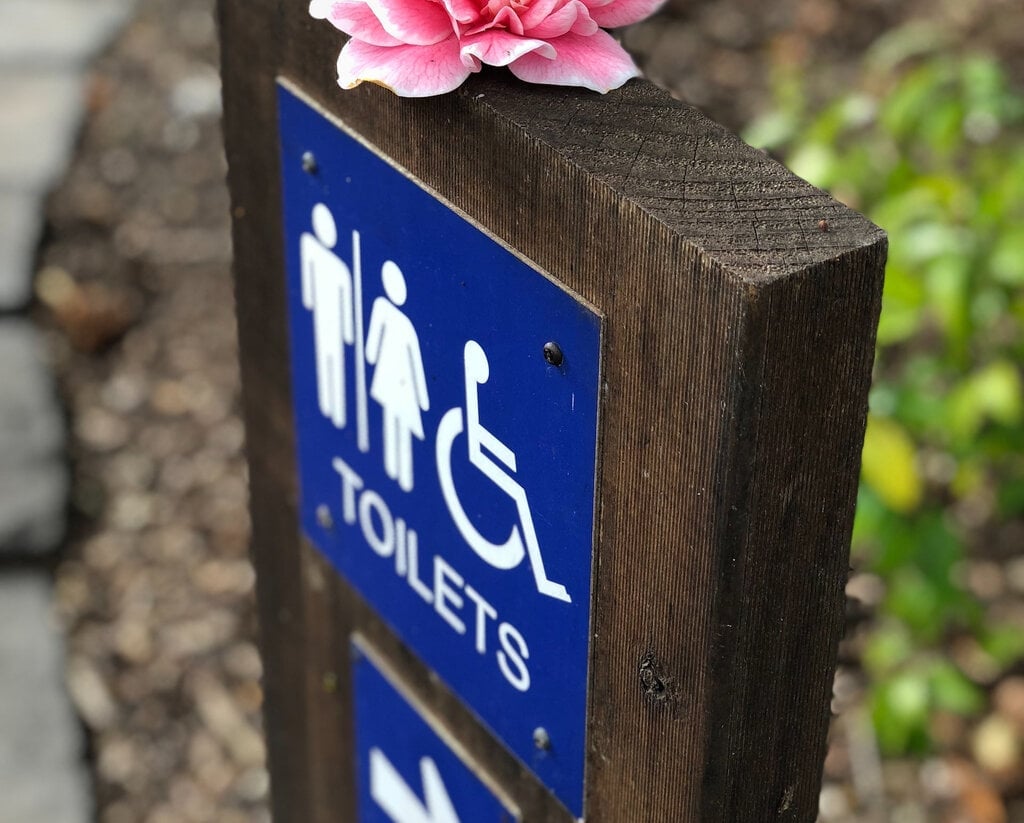

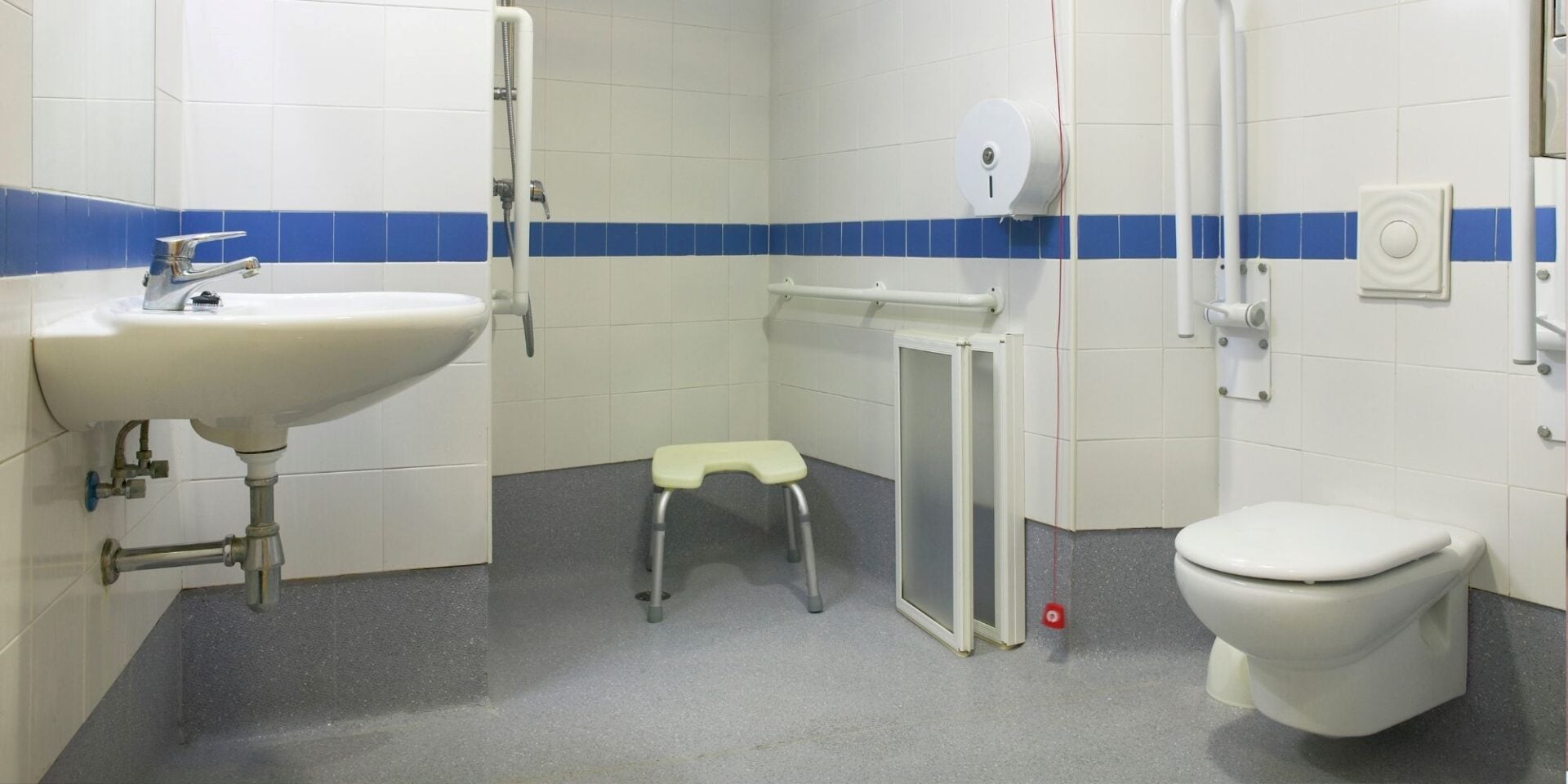
    Accessible toilets are dedicatedly designed to meet the needs of people with disabilities. These toilets are essential to make buildings and public places accessible to everyone, regardless of their physical abilities.

    Key Features of Accessible Toilets

    The users of accessible toilets mainly include wheelchair users, persons with mobility impairments, persons with invisible disabilities, and more. The key features of accessible toilets enable them to use for people with disabilities, including:

    • Lowered toilet bowls: The design allows people in wheelchairs to use the toilets. They are also useful for people with mobility impairments, as they require less effort to get on and off the toilet.
    • Adjustable grab rails. Grab rails are a basic feature of an accessible toilet, which provides support, stability and balance for people with mobility impairments while using the toilet.
    • Sufficient space: An accessible toilet should have enough space for a person in a wheelchair to manoeuvre or turn around. The sink also needs adequate space underneath to work perfectly with a wheelchair.
    • An accessible or automatic door. The accessible door should be lightweight to be opened with minimal force, while an automatic door is accessible without the need for manual effort. Moreover, the doorway should be wider than the regular design, making the wheelchairs easier to roll in or out.
    • Lowered sinks, mirrors, toilet paper, hand dryers and more. With a lowered design, wheelchair users can more easily access these facilities without having to touch their wheelchairs.
    • Braille and signage: By setting up braille and signage, everyone can locate accessible toilets in public places with ease.

    How to find accessible toilets

    In addition, to help you plan, the National Public Toilet Map shows you the locations of more than 19,000 public and private public toilet facilities across Australia. It also displays much useful information about each toilet, such as whether they are accessible, the location, opening hours, availability of adult change tables and hoists and other accessibility features. The toilet map also welcomes contributions. If you come across an accessible toilet that isn’t on the map, you can help add it by clicking on “Suggest a toilet” and filling in as much information as you can about the facility.

    Accessible toilets and MLAK

    What is MLAK?

    MLAK (Master Locksmith Access Key) is a new and innovative scheme that uses a universal lock and key to allow people with disabilities 24 hours a day access to public facilities. The eligibility of the key is restricted to people with disabilities or who have written authority from one of the following:

    • a doctor
    • a disability organisation
    • community health centre
    • the owner or manager of a building with an accessible toilet on site

    If you want to learn more about the MLAK system, how to find accessible toilets on your phone or computer, here is a detailed factsheet with all the information you need about the topic. Moreover, we have another article about home modification that also includes some useful tips on how to make the bathroom accessible.

    Search SCIA: