SearchJoin Our CommunityCommunity
  • Donate Now
  • Donate

    Factsheet

    Discover more on Factsheet

    Categories
    + Show More
    List View

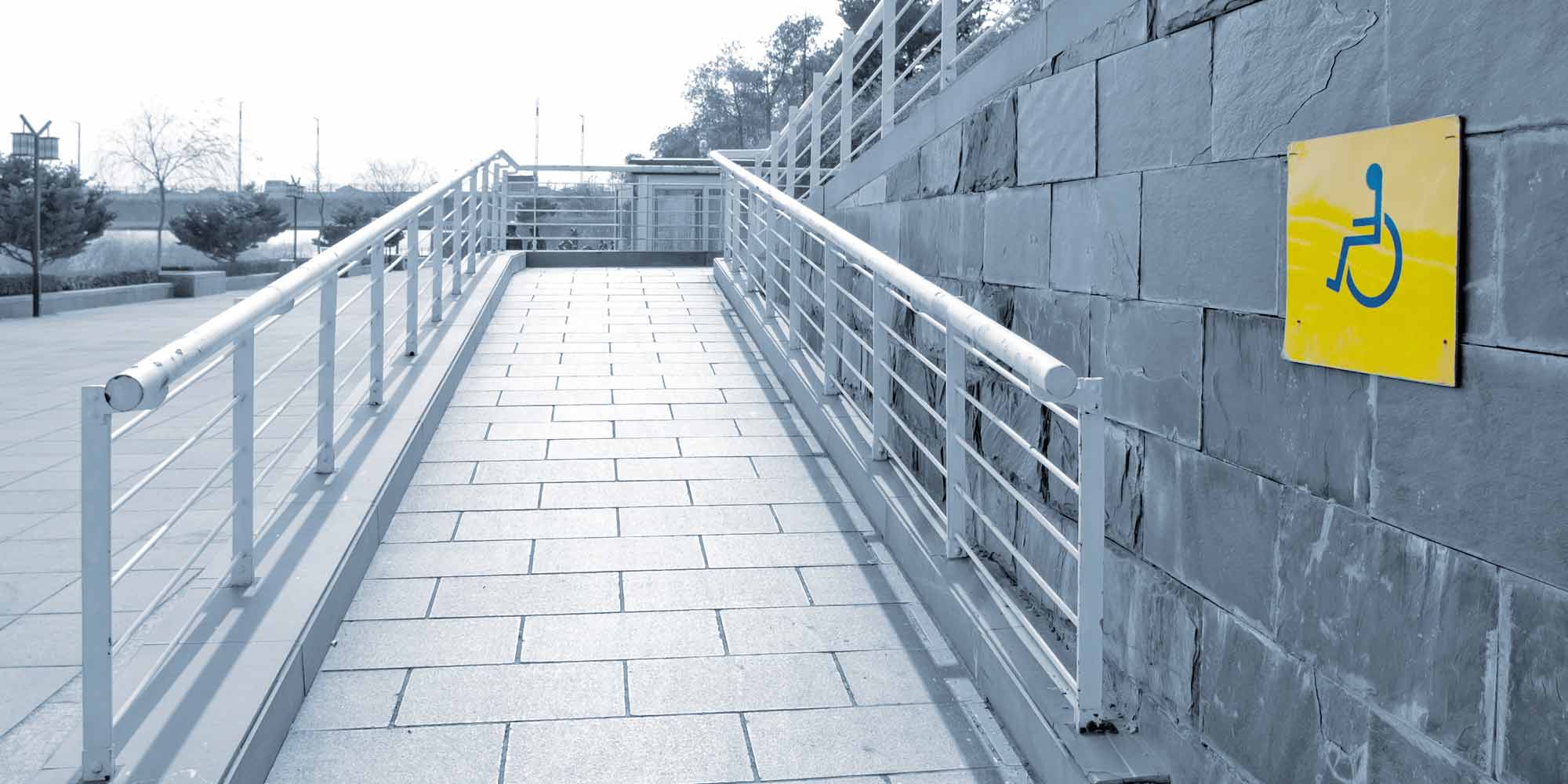
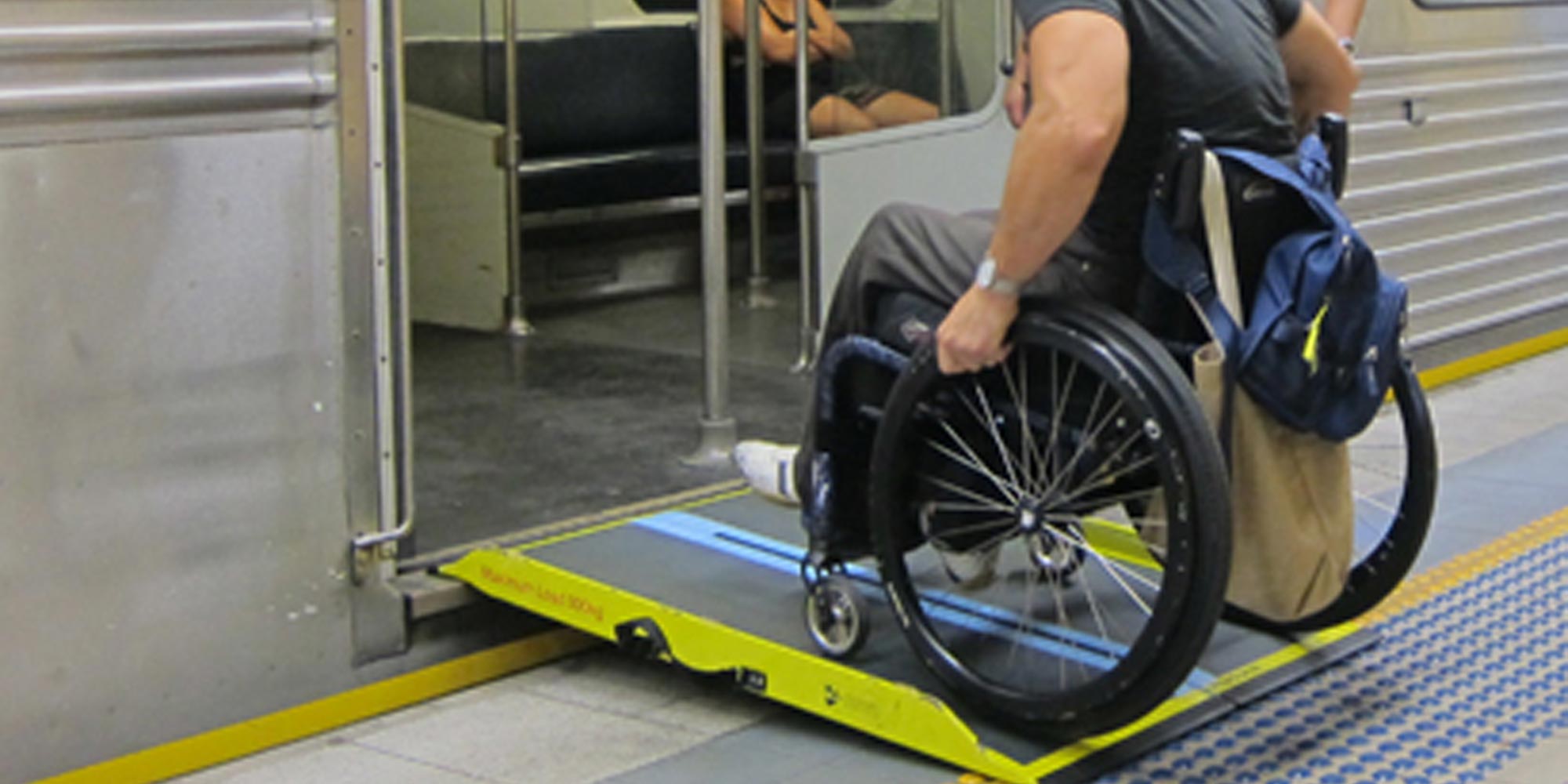
    Accessible Travel and Transport Tips for People with SCI

    Advice from SCIA about all things travel. Whether it’s travelling into town to see a show or going on a...
    Read More
    Home Modifications for People with Spinal Cord Injuries

    Advice from SCIA on what is involved in organising modifications to your home.
    Read More
    Assistive Technology & Equipment

    Helpful advice from SCIA. What is assistive technology? Assistive technology means everything in the way of equipment, technology and modifications...
    Read More

    Ageing and spinal cord injury

    Everyone will experience ageing, no doubt, but for people with spinal cord injuries, ageing may involve some other health and...
    Read More

    Adaptive clothing and fashion

    Everyone likes to feel positive about themselves and wearing clothing that is functional and stylish can go a long way...
    Read More

    Autonomic Dysreflexia in Spinal Cord Injury

    Autonomic Dysreflexia (AD) can occur for people with a spinal cord injury at or above T6.
    Read More

    Sexuality and Fertility after Spinal Cord Injury

    Sexual function is impaired by injury to the spinal cord. Depending on the level of injury and the degree of...
    Read More

    Continence Care for Spinal Cord Injuries

    Most people with spinal cord injury will experience bladder and bowel changes after injury, but the type and symptoms will...
    Read More

    Skin Care after Spinal Cord Injury

    Limited mobility coupled with impaired sensation can lead to pressure sores or ulcers, which can be a devastating complication.
    Read More
    Assistive technology means equipment or devices that help people with disability with their everyday life activities. It can be anything from manual and power wheelchairs, battery chargers, power assist technology for your manual wheelchair, and so on.

    Assistive Technology & Equipment

    What are the benefits of assistive technology?

    • Increase independence

    Using suitable assistive equipment, people with disabilities can more efficiently participate in various activities, communicate with others, pursue education, and even start working. These assistive technologies will help us live independently and achieve our goals successfully.

    • Reduce Risks for Accidents

    Many of us are often at risk of accidents. So some of the technology dedicatedly focuses on increasing safety and reducing risk. For example, shower chairs can provide a safe way to move into the shower and support us safely during showering. A pressure-relieving mattress can increase comfort overnight and reduce the risk of pressure injuries.

    • Benefit everyone

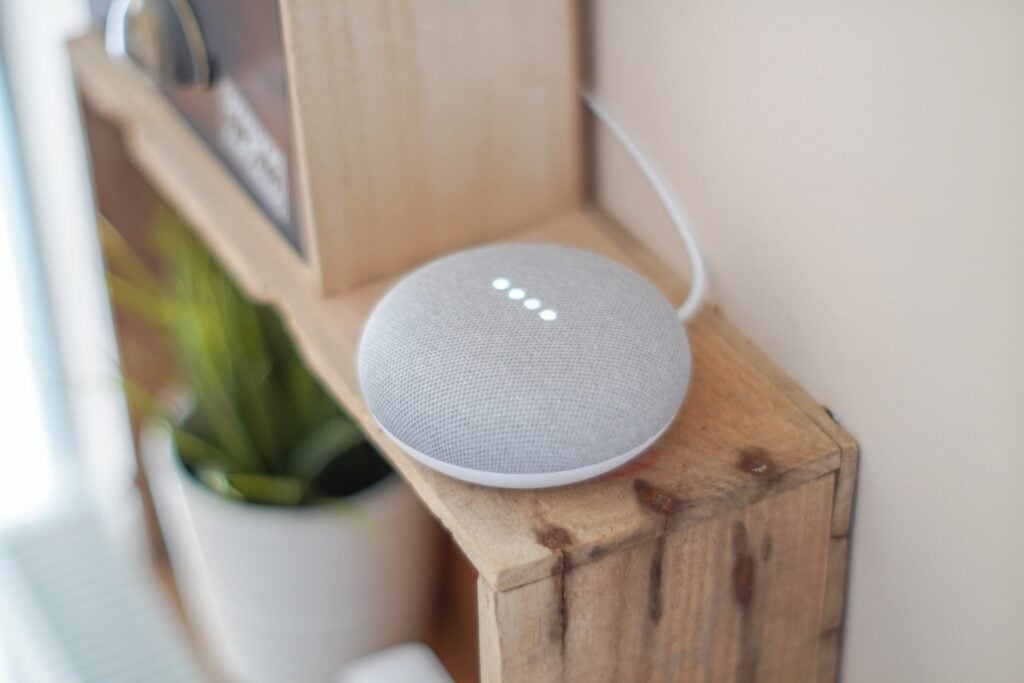
    The assistive equipment and technology not only helps people with disability during daily activities but also benefits everyone who wants to improve productivity or comfort in daily life. For instance, a dedicatedly designed left-handed mouse is better suitable for left-handed people. Meanwhile, a voice assistant helps everyone communicate with smart home devices or personal equipment.

    Assistive Technology & NDIS

    The NDIS can cover assistive technology (AT) and equipment, which divides it into low-, mid- and high-cost levels. We need to provide evidence of AT required and AT assessments which help them understand our needs for AT.

    We have created a factsheet to help you understand assistive technology and how to get suitable equipment with detailed information and resources. Please access the factsheet page if you are interested. Moreover, our NDIS Support Coordination team is always there to assist you in understanding and implementing your NDIS plan.

    Search SCIA: