Opens in a new tab
SearchEventsJoin Our CommunityCommunity
  • Donate Now
  • Donate

    Neurological conditions

    Discover more on Neurological conditions

    Categories
    + Show More
    List View

    What is Encephalitis?

    Encephalitis is a rare but serious neurological condition that causes inflammation and therefore swelling of the brain and needs urgent...
    Read More
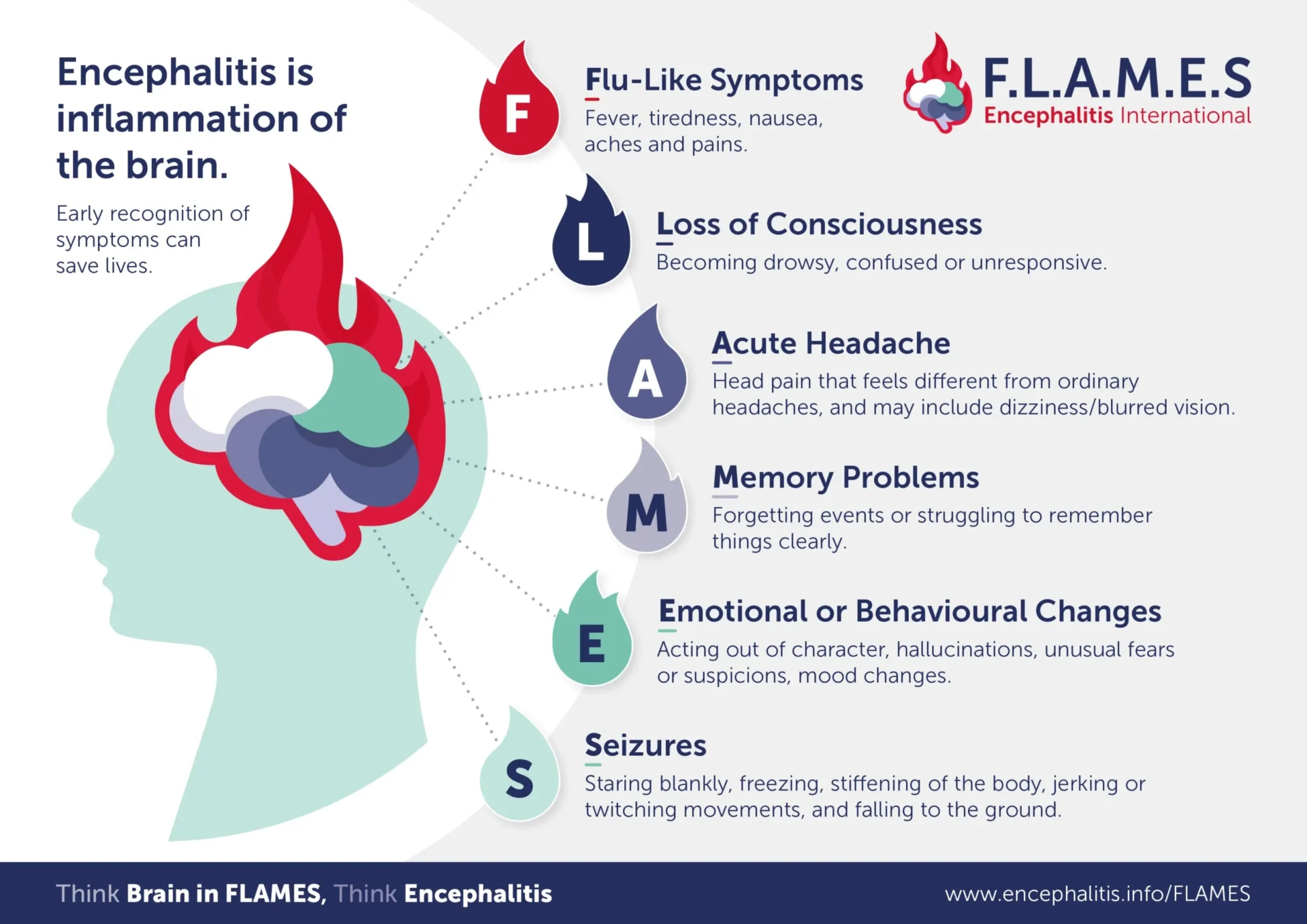
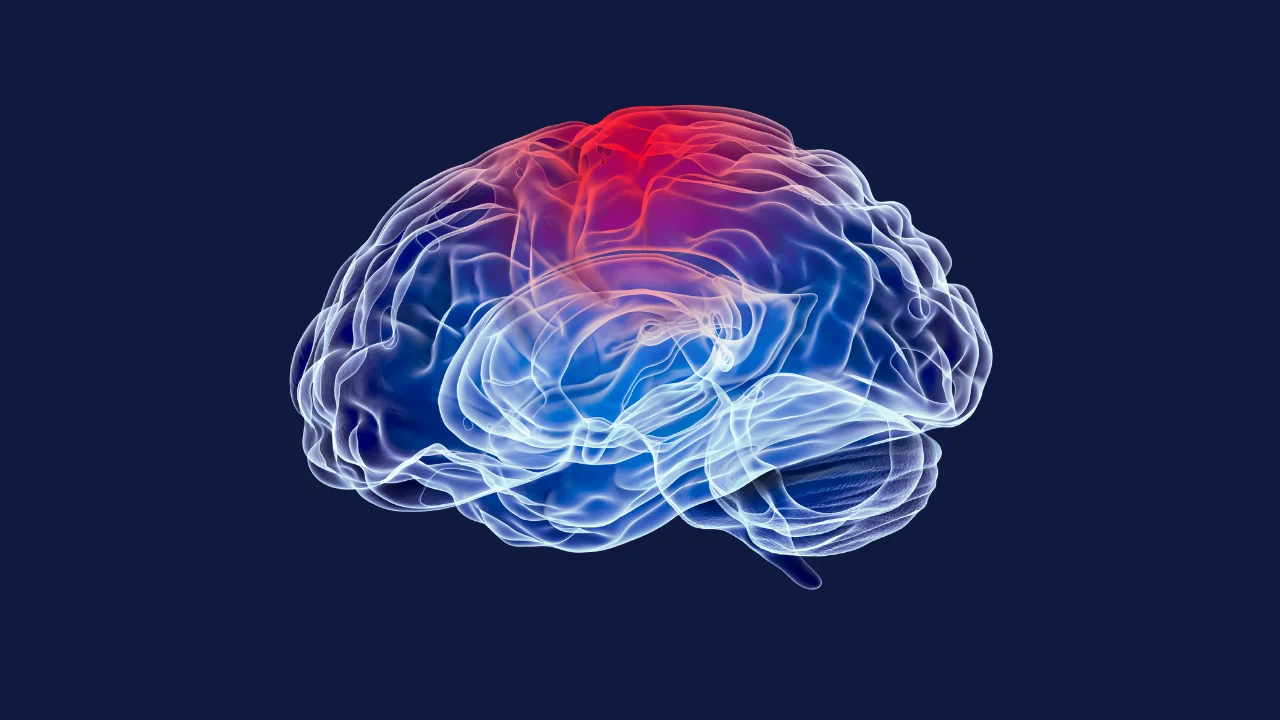
    Illustration of a transparent human brain on a dark blue background, with a section near the top highlighted in red to represent inflammation.

    Disclaimer: This article provides general information only and is not intended to replace medical advice.

    Encephalitis (pronounced en-sef-uh-lie-tis) is a rare but serious neurological condition that causes inflammation and therefore swelling of the brain and needs urgent medical attention.

    Encephalitis is most commonly caused by an infection, usually a virus. For example, it can be caused by the herpes simplex virus (which also causes cold sores) or by some viruses spread by mosquitoes.

    In some cases, encephalitis occurs when the body’s immune system mistakenly attacks the brain.

    The brain controls how we move, speak, think, and behave, which is why encephalitis can affect people in many different ways.

    Symptoms of encephalitis

    Symptoms of encephalitis can develop quickly and vary depending on the part of the brain affected by the inflammation, which is why early diagnosis and prompt medical treatment are essential.

    Early symptoms may feel like the flu and can include:

    • Headache
    • Fever
    • Nausea

    Other symptoms may include:

    • Confusion and memory problems
    • Seizures
    • Personality or behavioural changes
    • Difficulty speaking or understanding others
    • Reduced strength or numbness
    • Problems with movement or balance
    • Drowsiness or loss of consciousness
    • Problems with vision or hearing

    The diagram below, created by Encephalitis International, highlights some of the important early symptoms.

    Infographic from Encephalitis International about recognising encephalitis symptoms. The graphic explains that the acronym FLAMES highlights key symptoms: Flu-like symptoms (fever, tiredness, nausea, aches and pains), Loss of consciousness (drowsiness, confusion or unresponsiveness), Acute headache (sometimes with dizziness or blurred vision), Memory problems, Emotional or behavioural changes, and Seizures.
    Image credit: Encephalitis International, https://www.encephalitis.info/flames/

    Treatment, recovery and management

    Treatment for encephalitis depends on the underlying cause and the severity of symptoms. Healthcare professionals work with each person to develop a treatment plan tailored to their needs, which may include hospital care, medication, rehabilitation and other support.

    Rehabilitation is often an important part of recovery. Depending on a person’s needs, this may involve physiotherapy and exercise physiology (services offered by NeuroMoves), occupational therapy, speech pathology and neuropsychology. These services can help individuals rebuild strength, improve mobility and balance, manage fatigue, address cognitive difficulties and regain confidence in everyday activities.

    Recovery from encephalitis varies from person to person, and can take months or years. Some people make a full recovery, while others experience long term effects such as fatigue, memory and concentration difficulties, reduced strength, impaired balance and coordination, or changes in mood and behaviour. As a result, some people may require ongoing rehabilitation and support to improve and maintain their functional abilities, independence and quality of life.

    Lived experience perspective – Renee’s story

    Everyone’s experience of encephalitis is different.

    For Renee Power, being diagnosed with encephalitis changed many parts of her life. In the first episode of One in Five, a series produced in collaboration with Spinal Cord Injuries Australia and NeuroMoves, Renee talks about her diagnosis, the challenges she faced during recovery, and how she found support through NeuroMoves in Perth.

    Explore more resources

    Encephalitis is one of 600+ recognised neurological conditions.

    If you’d like to learn more about neurological conditions, read our article What is a neurological condition? You can also explore the SCIA Resource Hub for practical information, lived experience stories and support resources covering a wide range of neurological conditions.

    References

    Search SCIA: