Opens in a new tab
SearchJoin Our CommunityCommunity
  • Donate Now
  • Donate

    Accessible Travel

    Discover more on Accessible Travel

    Categories
    + Show More
    List View

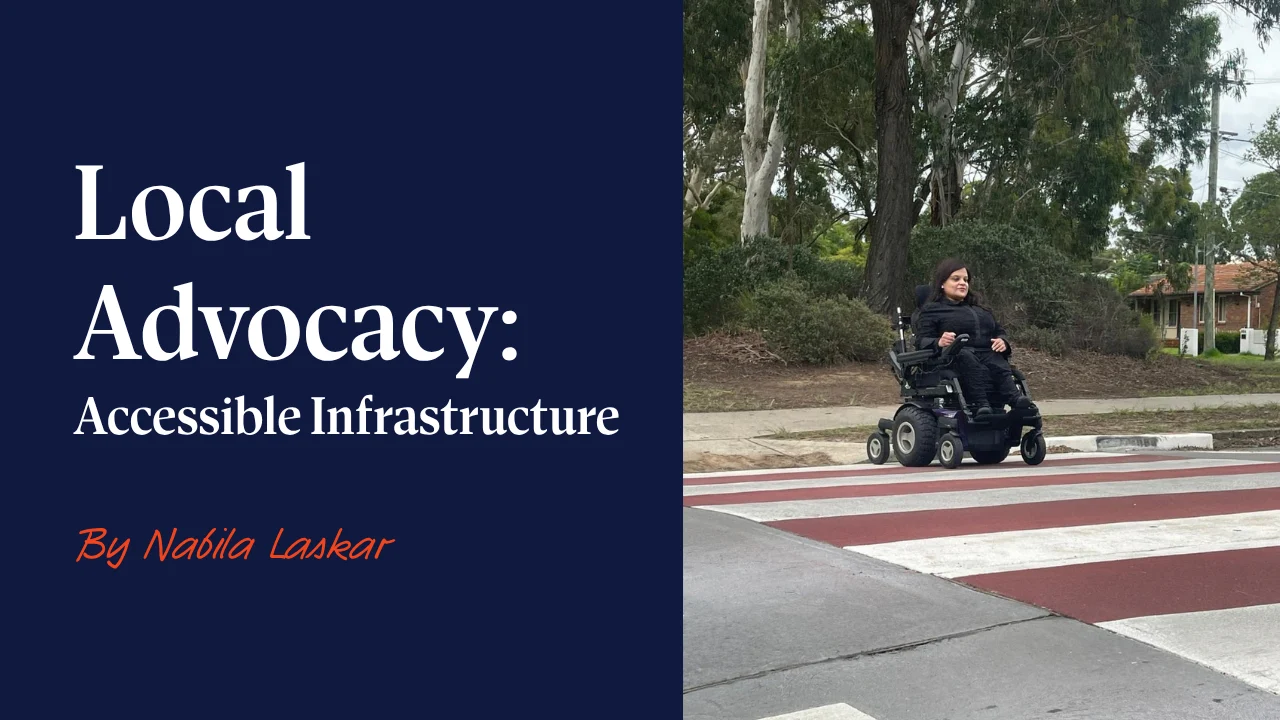
    Local Advocacy: Accessible Infrastructure

    Accessible infrastructure helps create inclusive communities. Learn how local advocacy can improve footpaths, crossings, parking and access for all.
    Read More
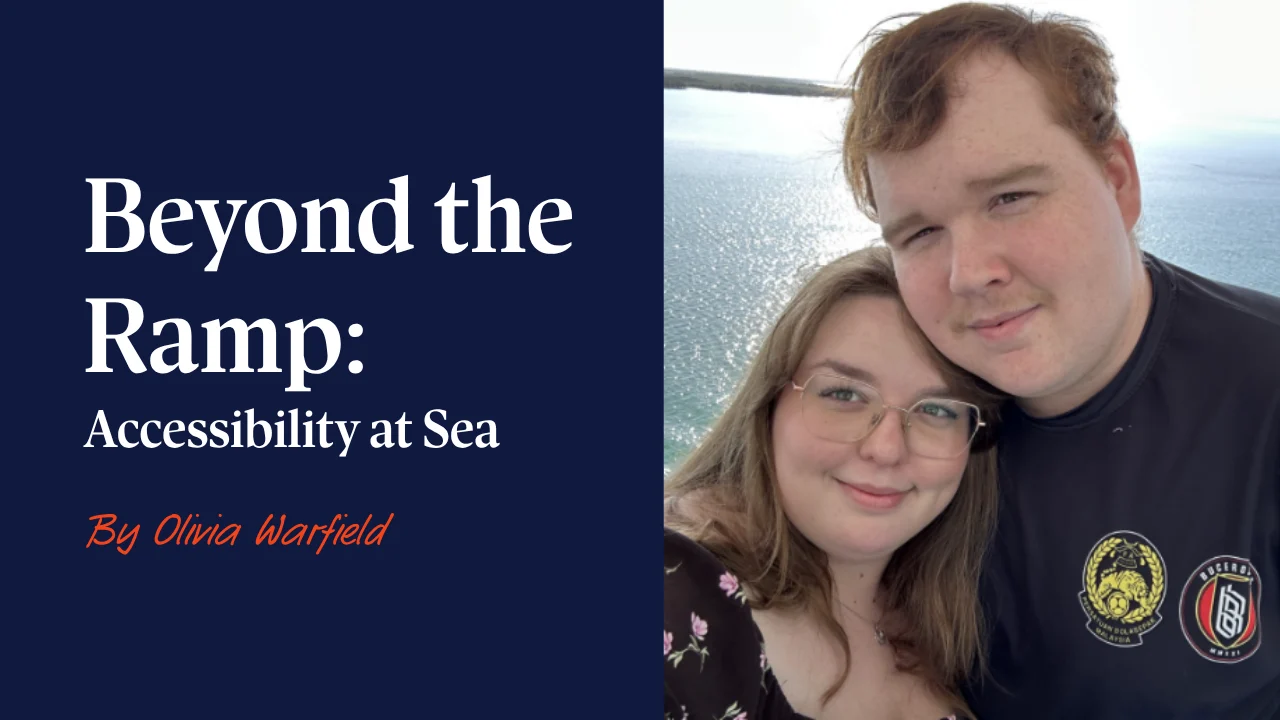
    Beyond the Ramp: Accessibility at Sea

    What is accessibility really like on a cruise? Olivia shares her experience travelling as an ambulatory wheelchair user living with...
    Read More
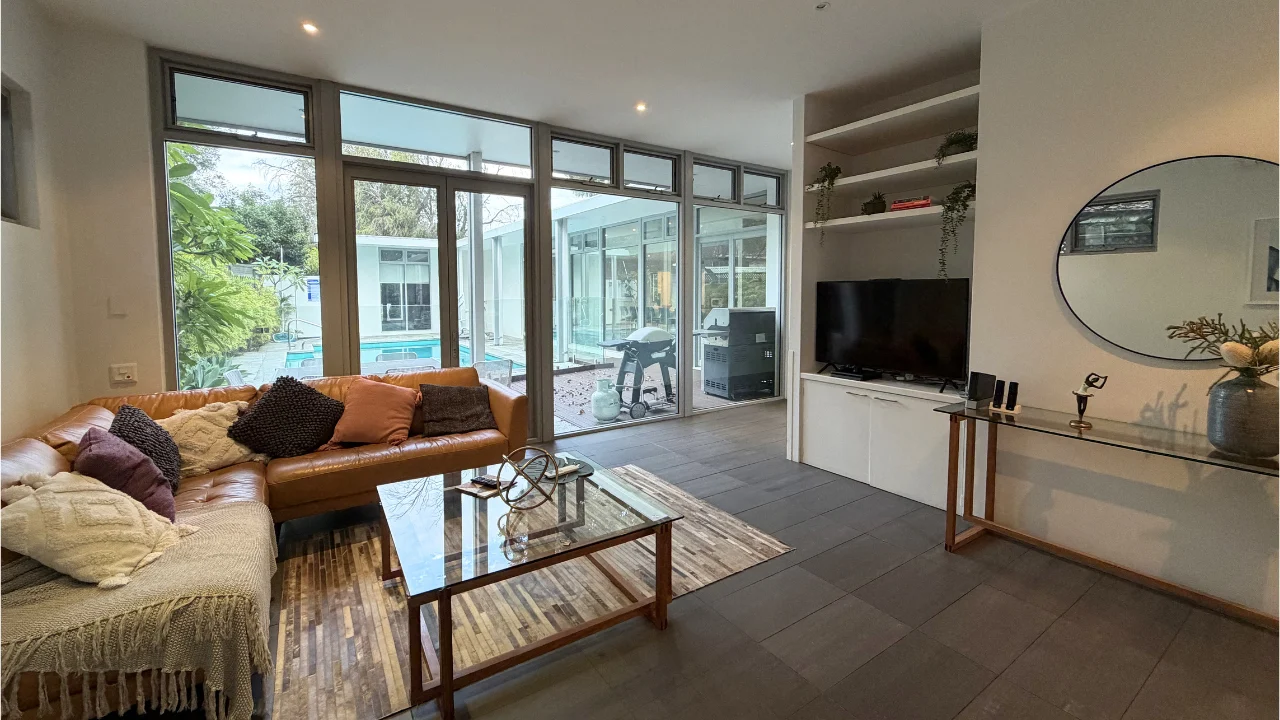
    A Home Away From Home: Inside SCIA’s Transition House

    SCIA's Transition House in Perth helps people with spinal cord injury try home modifications and daily routines before making decisions...
    Read More

    How a Pacemaker Set The Course for a Trip of A Lifetime

    In this episode meet Luke Spencer and Kat Yee. At age 12, Luke was diagnosed with Fredrich’s Ataxia, and in...
    Read More
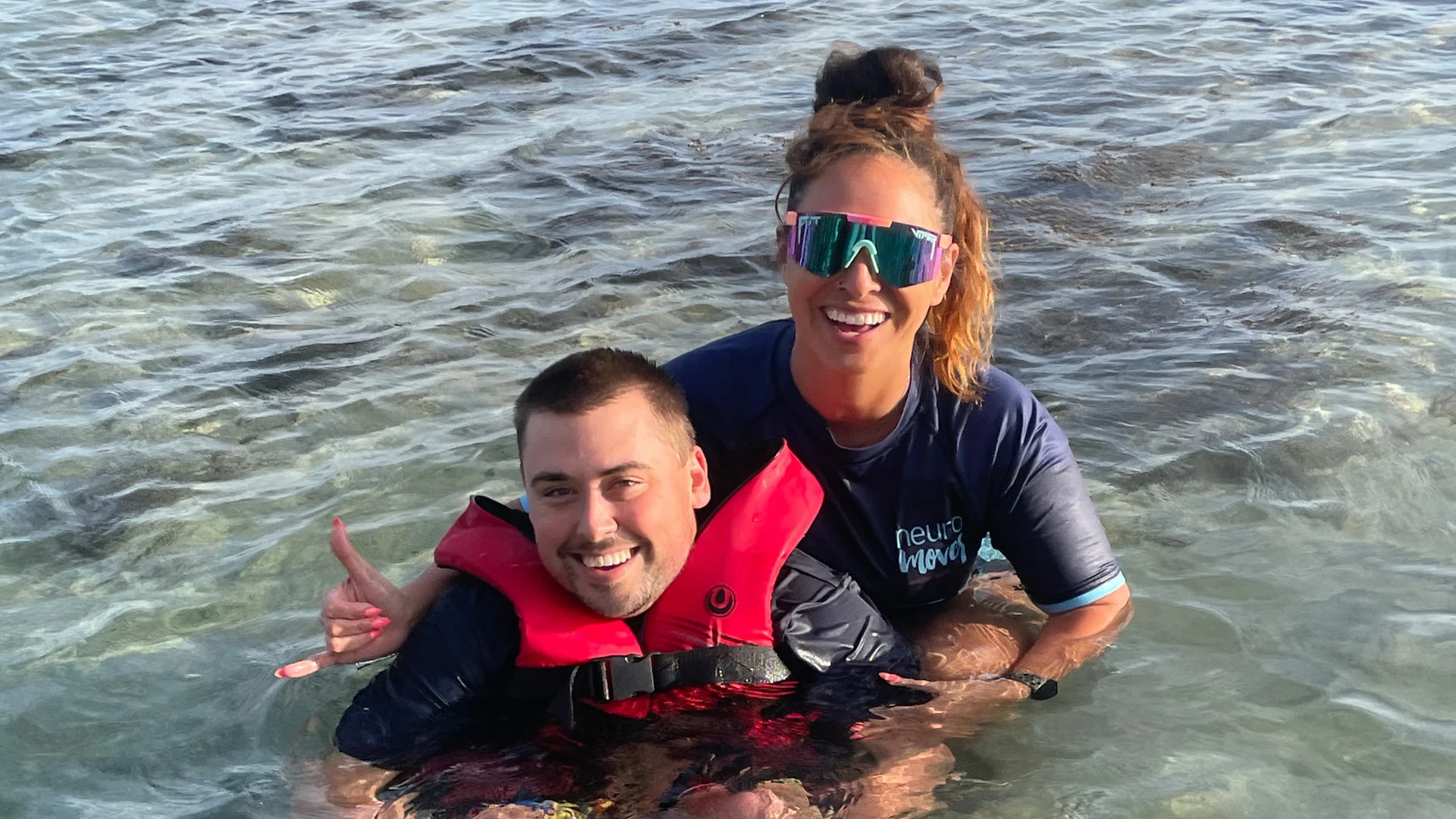
    How Tailored Exercise Helped Turn a Dream to Snorkel in Fiji into a Reality

    For Luke, a 27‑year‑old NeuroMoves client with Friedrich Ataxia, what began as a journey to rebuild strength after a near...
    Read More

    Road Trippin’ around New Zealand

    Last year, I went on a holiday overseas for the first time as an actual adult.
    Read More
    Can You Ask That? Footpath Etiquette

    Do you have a mobility device and have any rules you want people to think about when it comes to...
    Read More

    Can You Ask That? Accessible Car Parks

    What do you think about people without disability who park in accessible car spaces? Say, for example, someone parks in...
    Read More

    What does accessibility mean in one of Australia’s biggest cities?

    Our Peer and Family Support Team will take you around Australia's biggest city to see how accessible it is.
    Read More
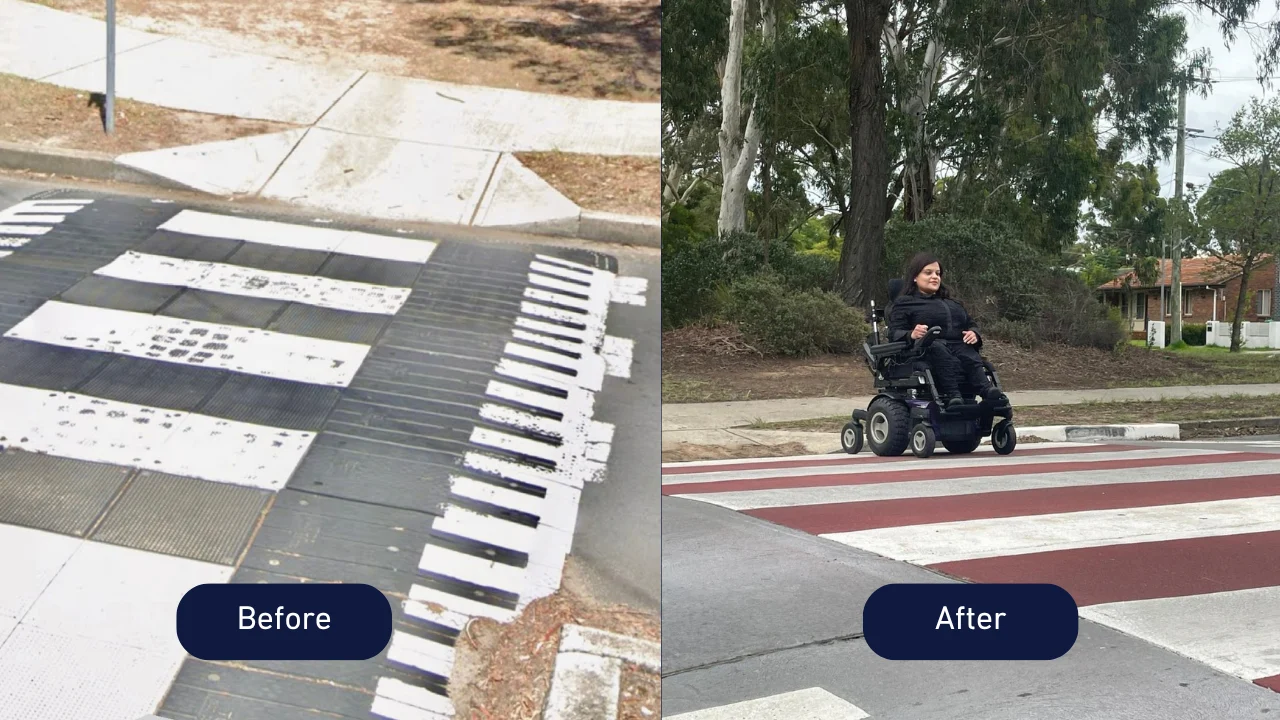

    Nabila is crossing a marked pedestrian crossing user her power wheelchair.

    What is the significance of accessible infrastructure?

    Accessible infrastructure plays an important role in creating inclusive communities where everyone can participate safely, independently and with confidence.

    It includes the everyday features that help people move through and access their local area, such as:

    • Accessible parking: Parking bays with extra width and a shared zone beside them, so people using wheelchairs or other mobility aids can get in and out of a vehicle.
    • Footpaths: Continuous, even paths without steps, gaps or obstructions.
    • Kerb ramps: Short sloped sections that remove the step between a footpath and the road.
    • Pedestrian crossings: Marked or signalised places to cross the road, with features like kerb ramps, tactile indicators and audible, vibrating push buttons.

    While these features may go unnoticed by many people, they can have a significant impact on the daily life of people with disability.

    For example, for someone who uses a wheelchair, mobility scooter or other mobility aid, a missing kerb ramp, an uneven footpath or a steep ramp can turn in a simple journey into a significant challenge. The ripple effect of these sorts of barries can extend to how a person is able to access work, education, healthcare, and community activities.

    When infrastructure is designed and maintained with accessibility in mind, people are better able to move through their community, connect with others and participate in the activities that matter to them. Accessible infrastructure not only benefits people with disability, but also older Australians, parents using prams and anyone who may face mobility challenges at different stages of life.

    The role of local councils in creating accessible communities

    In Australia, local government, or councils, play an important role in creating and maintaining accessible communities. They are responsible for much of the public local infrastructure that people use every day.

    As opposed to state government, local councils are responsible for waste management, local roads and footpaths, parks and recreation and town planning. It’s important to know the difference when you’re raising an issue in your community.

    Many councils also have a formal plan that sets out how they will improve access and inclusion. What this plan is called depends on the state or territory. Common names include Disability Inclusion Action Plan (DIAP), Disability Access and Inclusion Plan (DAIP) and Disability Action Plan (DAP).

    These plans help councils identify priorities, plan improvements and work towards creating more accessible communities. Importantly, they are informed by the experiences and feedback of people with disability, recognising that lived experience plays an essential role in identifying barriers and opportunities for change.

    How community advocacy improves accessibility

    Comparison of a pedestrian crossing before and after accessibility upgrades, with a powered wheelchair user crossing in the updated image.

    While local councils are responsible for maintaining public infrastructure, community members are often the first to notice accessibility barriers in their neighbourhoods. This is where advocacy can make a real difference.

    By raising concerns and sharing their experiences, residents can help councils identify issues, priorities improvements and create more accessible communities. Whether it’s a damaged footpath, a steep ramp, or missing kerb cuts, community feedback can help drive meaningful local change.

    There are several ways to raise concerns about accessibility in your local area, including:

    • Reporting an issue via your local council website.
    • Utilising the Snap, Send, Solve app, which is a free tool available for people in Australia and New Zealand designed to make it easy to raise local issues.
    • Attend in-person, council led meetings. Check your local council’s website for more information.
    • Contacting your Local Member of Parliament (MP) on the Office of Local Government website.

    How to get involved with SCIA Advocacy

    At SCIA, our Representative Advocacy team supports people with disability to raise issues that affect their daily lives and communities. Through initiatives such as the Advocacy Community Network (ACN) Meet & Greets, people can connect with others, share experiences and discuss common accessibility challenges, including local infrastructure, public transport, community access, and more.

    Some of the ACN’s accomplished include:

    • Contacting Liverpool council to improve the local pedestrian crossing.
    • Parramatta Council has added new signage to identify accessible toilets at the Lake Parramatta.
    • Footpath concerns in North Rocks, have been fixed by Parramatta City Council using the Snap, Send and Solve App.

    To learn more about how community members can help create positive local change, explore Representative Advocacy’s five-part series about how you can make Local Change. In the series, members of the advocacy community share their experiences of identifying barriers, speaking up and working with others to improve accessibility in their local communities.

    Working together to create more accessible communities

    Accessible infrastructure helps create safer, more inclusive communities where everyone can participate, connect and thrive. By continuing to identify barriers and work towards practical solutions, we can help build communities that work better for everyone.

    Author

    This piece was written by Nabila Laskar, SCIA Representative Advocacy Volunteer and Volunteer Content Creator.

    Search SCIA: